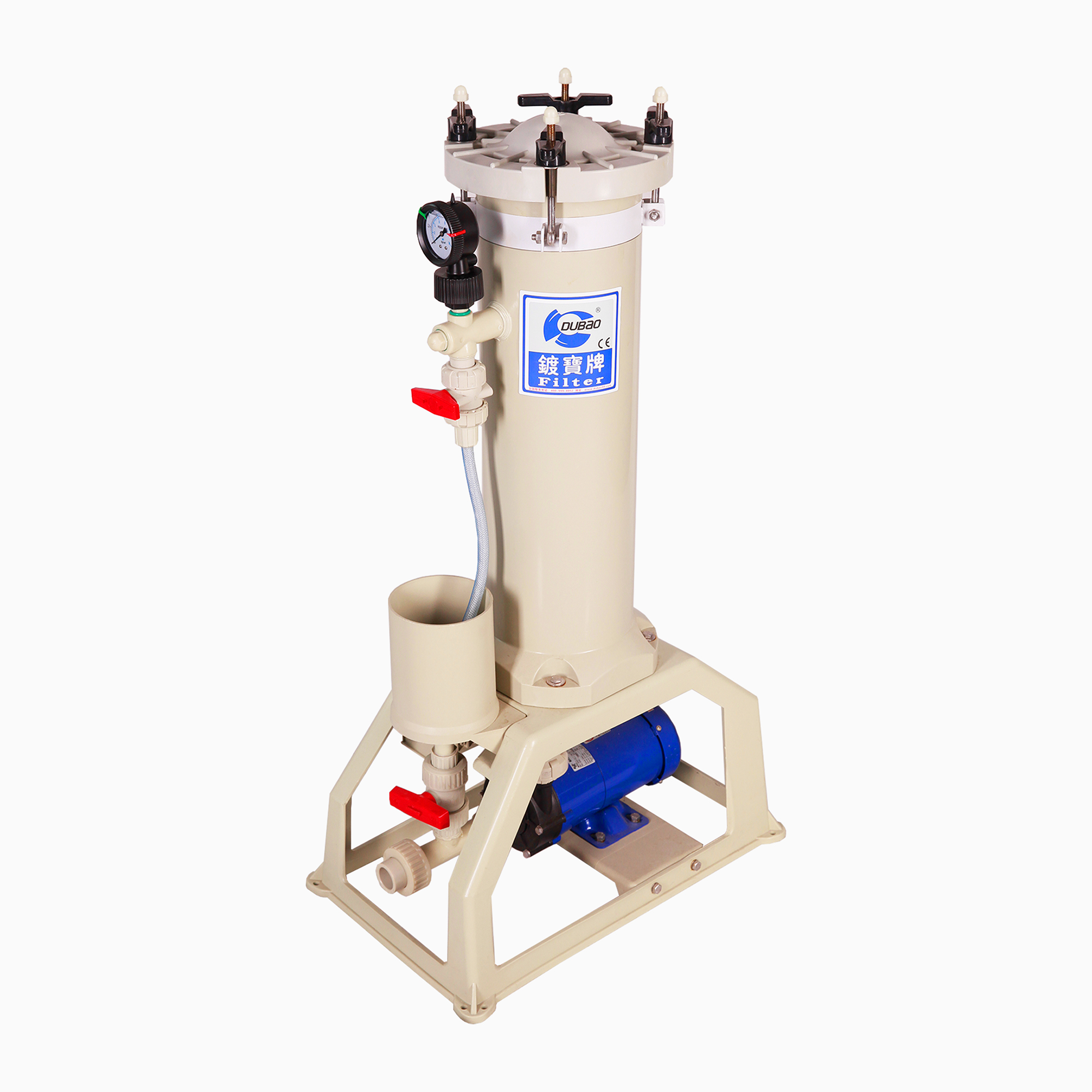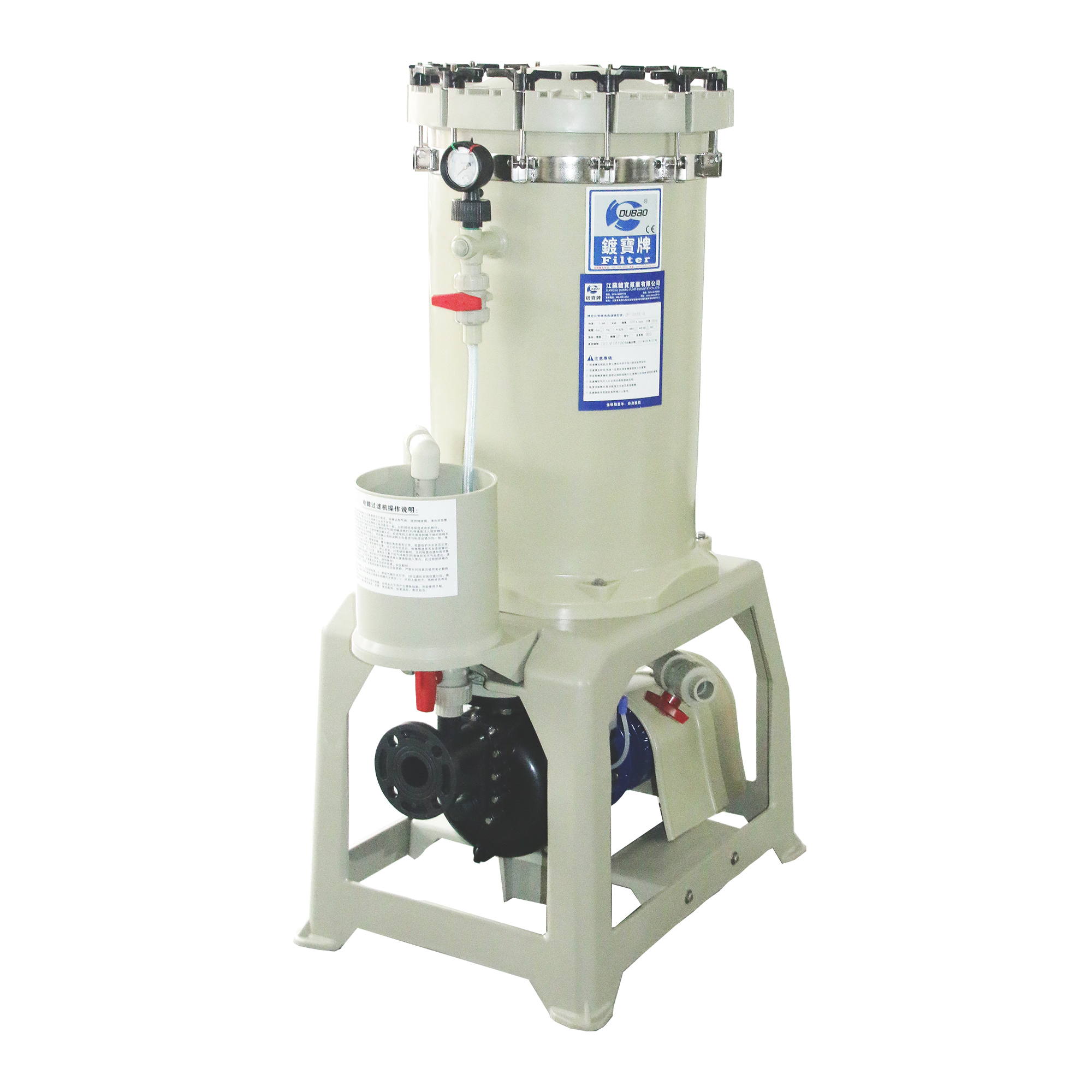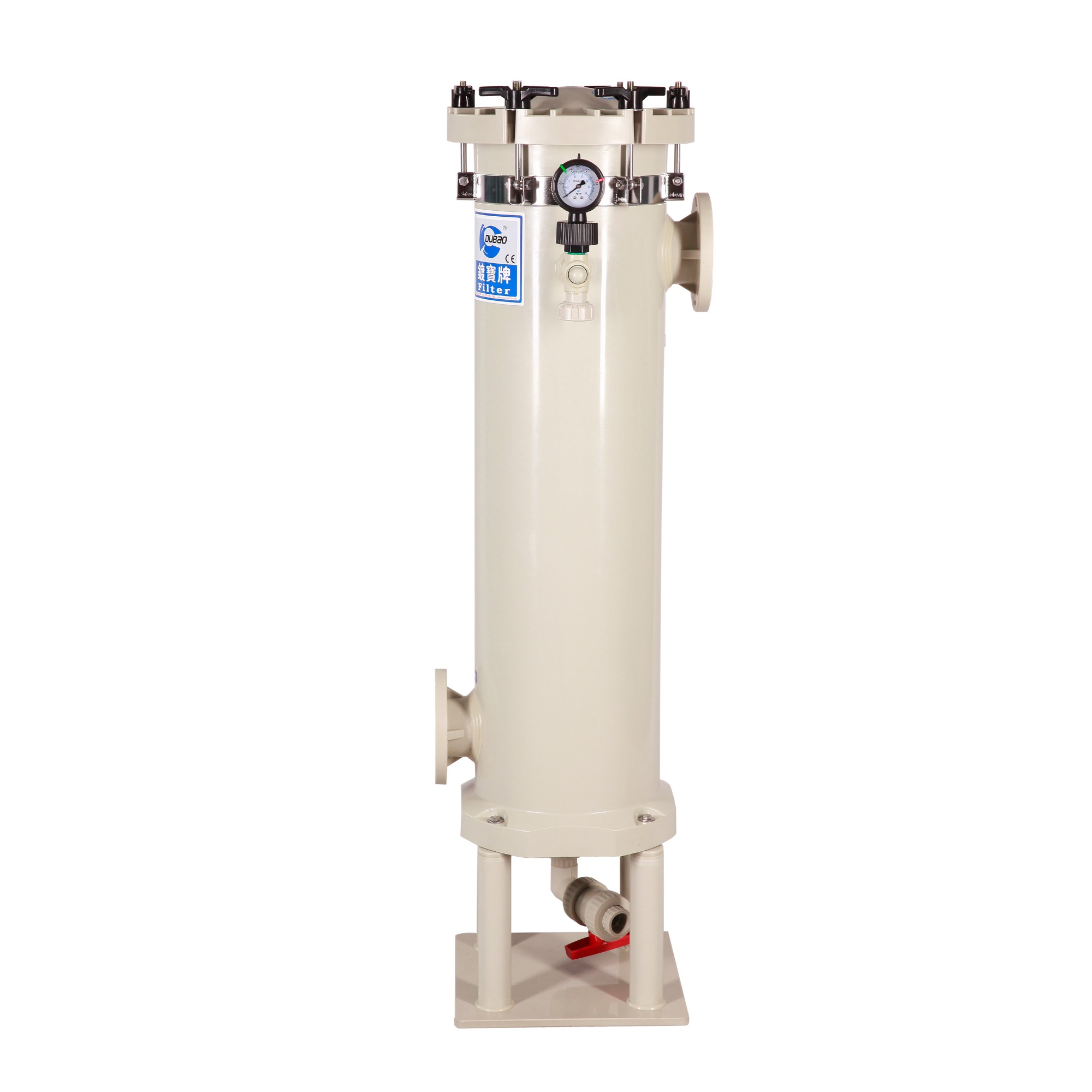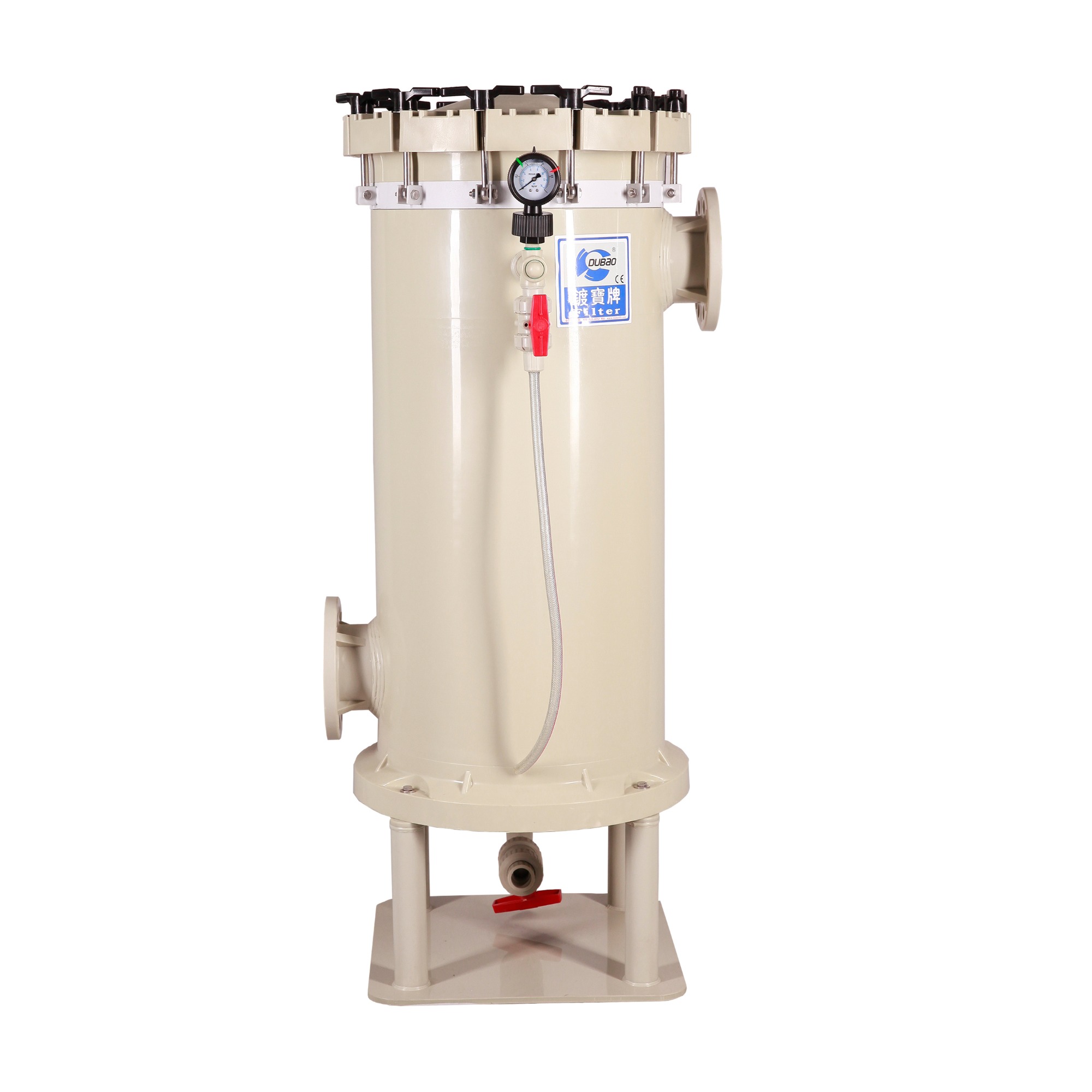
Precautions for cleaning and maintenance of different material security filters

Views : 882
Update time : 2023-09-17 15:33:57
Security filters of different materials may have some differences in cleaning and maintenance. The following are some common materials of security filter cleaning and maintenance precautions:
Stainless steel filter:
Cleaning: You can use a general cleaning agent or detergent and warm water mixture for cleaning. You can use a soft brush or sponge to gently scrub the surface and inside of the filter. Avoid chlorine-containing cleaners, as chlorine can corrode stainless steel surfaces.
Maintenance: Check the seal and connection parts of the filter regularly to ensure that there are no leaks. If any damaged or worn parts are found, replace them promptly. Keep the filter dry and clean to avoid prolonged exposure to moisture.
PVC filter:
Cleaning: You can use a mild detergent or soapy water to clean. Use a soft brush or sponge to gently scrub the surface and inside of the filter. Avoid using organic solvents or strong acid and alkali cleaners to avoid damage to PVC materials.
Maintenance: Avoid exposing the filter to sunlight to prevent UV damage to PVC material. Check the connection parts and seals of the filter to ensure that there are no leaks. If there is any damage or rupture, it should be replaced in time.
Glass fiber filter:
Cleaning: Use a mild cleaning agent or soapy water to clean, you can use a soft brush or sponge to scrub the filter surface. Avoid using scrubs or stiff brushes to avoid scratching the filter surface.
Maintenance: Check the connection parts and seals of the filter to ensure that there are no leaks. For the parts that need to be replaced, the corresponding glass fiber material should be selected for replacement. Avoid prolonged exposure to moisture and keep the filter dry.
Please note that the above provides general cleaning and maintenance guidelines only, and specific cleaning and maintenance methods may vary depending on the filter design and manufacturer's recommendations. Before cleaning and maintenance, it is recommended to consult the product's instruction manual or consult with the manufacturer for accurate guidance and advice.
Related News
Read More >>
A Complete Guide to Chemical Pump Selection: Industrial Applications, Core Criteria and Marine-Specific Solutions A Complete Guide to Chemical Pump Selection: Industrial Applications, Core Criteria and Marine-Specific Solutions
Aug .12.2026
This guide outlines professional chemical pump selection criteria covering material compatibility, sealing design, safety compliance, and parameter matching. It introduces applicable pump types, strict marine pump requirements, and reliable customized solutions for diverse industrial corrosive fluid handling scenarios.
Plastic Pumps: Key Advantages, Material Progress and Industrial Applications Plastic Pumps: Key Advantages, Material Progress and Industrial Applications
Aug .04.2026
Industrial Development of Plastic Pump Technology,Core Advantages of Modern Industrial Plastic Pumps,Advanced Upgrades in Modern Plastic Material Performance
A Complete Guide to Magnetic Drive Pumps A Complete Guide to Magnetic Drive Pumps
Jul .31.2026
A magnetic drive pump (commonly shortened to mag drive pump) is a high-reliability seal-less centrifugal pump that utilizes magnetic coupling technology to transmit power from the electric motor to the internal impeller.
Overview of Magnetic Drive Pumps: Principles, Advantages, Limitations and Industrial Applications Overview of Magnetic Drive Pumps: Principles, Advantages, Limitations and Industrial Applications
Jul .17.2026
1. What Is a Magnetic Drive Pump? 2. Core Advantages of Magnetic Drive Pumps 3. Key Disadvantages and Limitations of Magnetic Drive Pumps 4. Industrial Applications of Magnetic Drive Pumps and Optimized Alternatives