Chemical processing and fluid handling are core links across modern industrial sectors, involving a diverse range of complex media including corrosive, abrasive, toxic, flammable, high-temperature and high-viscosity chemical substances. The unique physical and chemical properties of these fluids bring rigorous challenges to industrial pumping equipment. Selecting a matched, high-performance chemical pump is critical to guaranteeing operational safety, production efficiency, long-term equipment stability and environmental compliance in chemical processes. Improper pump selection will easily lead to fluid leakage, medium contamination, equipment premature failure, production shutdown and even safety accidents and environmental pollution losses.
As a professional chemical pump manufacturer and supplier with more than 20 years of industry experience, we specialize in analyzing diverse working conditions and customizing targeted pumping solutions for clients across all industries. This comprehensive guide systematically elaborates on typical chemical pump application scenarios, core selection criteria, applicable pump types, and key selection points and characteristics of marine chemical pumps, providing professional and actionable technical references for industrial chemical fluid handling.
Overview of Industrial Chemical Pump Application Scenarios
Chemical pumps are widely applied in multiple key industrial fields, covering conventional chemical production and high-standard precision processing and special marine operation scenarios. The media involved in different scenarios vary greatly in properties, putting forward differentiated performance requirements for pumps. Typical applicable industries and handling media are as follows:
Applicable Industries : Pharmaceutical manufacturing, petrochemical processing, food and beverage production, industrial wastewater and effluent treatment, marine offshore operations, electroplating and fine chemical industries.
Common Handling Media : Strong acids and alkalis, organic solvents, corrosive and abrasive suspended liquids, flammable and explosive hazardous chemicals, high-viscosity slurries, and high-temperature process fluids.
Professional chemical pump matching can realize safe, stable and efficient transmission of special media, effectively avoiding major risks such as personal injury, environmental damage and production profit loss caused by equipment mismatch and failure.
Core Key Considerations for Chemical Pump Selection
Chemical pump selection is a systematic project that needs to comprehensively consider medium characteristics, equipment structure, safety specifications and process parameters. The core selection criteria are refined into four major dimensions, with detailed professional analysis as follows:
1. Chemical Medium Compatibility (Primary Criterion)
All wetted parts of the pump (components in direct contact with chemical media) must maintain excellent chemical compatibility with the transported fluid, which is the fundamental premise to prevent equipment corrosion, aging and failure. Mismatched materials will cause irreversible damage such as surface oxidation, cracking and abrasion of pump parts, leading to frequent equipment replacement, long-term production downtime and increased operating costs. Common high-performance pump materials and their applicable scenarios are summarized below:
Stainless Steel : Features balanced mechanical strength and general corrosion resistance, suitable for conventional weak corrosive chemical media and general industrial fluid transmission.
PTFE (Teflon) : Boasts ultra-strong chemical inertness, resistant to almost all strong acids, strong alkalis and aggressive organic chemicals, ideal for harsh corrosive working conditions.
Polypropylene & PVDF : Lightweight non-metallic engineering plastics, with good corrosion resistance and cost performance, convenient for installation and maintenance, suitable for medium and low corrosive fluid scenarios.
Specialty High-Grade Alloys : Including Hastelloy and titanium alloy, applicable for extreme working conditions such as strong corrosion, high temperature and high pressure, meeting ultra-high industrial production standards.
2. Seal Structure Design (Leakage Prevention Core)
Chemical media are mostly hazardous and corrosive, so the sealing system directly determines the operational safety and stability of the pump. Reasonable seal selection can completely eliminate fluid leakage risks and adapt to high-pressure and hazardous working environments. The mainstream seal types and their advantages are as follows:
Single Mechanical Seals : Optimized for high-pressure operating conditions, effectively reducing conventional leakage risks, stable and reliable for general chemical process transmission.
Magnetic Drive Seal-Less Design : Completely cancels traditional shaft seal structures, realizes zero leakage of the whole pump body, fundamentally eliminates hidden dangers of hazardous medium leakage, and is the optimal choice for toxic, volatile and explosive media.
Double Mechanical Seals : Equipped with dual-layer sealing protection structure, providing redundant safety guarantee for high-risk hazardous chemical transmission, suitable for high-standard safety production scenarios.
3. Safety Performance and Industry Compliance
Safety is the top priority of chemical pump operation, and the safety certification standards of industrial equipment vary in different countries and regions. All our chemical pumps are strictly designed and manufactured in accordance with international safety specifications and fully comply with ATEX explosion-proof standards . ATEX-certified pumps are mandatory for production environments with flammable, explosive chemical media and potential ignition risks, which can effectively avoid explosion and combustion accidents.
To further improve operational safety, we support diversified safety configuration upgrades: secondary containment structure to prevent liquid spillage caused by seal failure, real-time leak detection systems for early fault warning, and explosion-proof motors suitable for Class I hazardous areas, fully meeting customized safety production needs.
4. Process Flow and Pressure Parameter Matching
Different chemical production processes have strict differentiated requirements for fluid flow rate, operating pressure and transmission accuracy. High-flow centrifugal pumps are applicable to large-volume conventional fluid transmission; precision dosing pumps are suitable for high-precision quantitative transmission of sensitive chemical media; variable-speed adjustable pumps can flexibly adapt to multi-process variable working conditions, effectively reducing equipment debugging costs and daily maintenance costs, and improving the overall flexibility of the production line. Our professional technical team can match parameter schemes according to customer process requirements to realize process optimization and future-proof production.
Common High-Adaptability Chemical Pump Types
We supply and customize a full range of chemical pumps, free from single product restrictions, and can select the most suitable equipment according to medium characteristics and process parameters. The mainstream pump types and their applicable scenarios in the chemical industry are as follows:
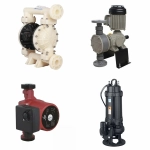
Centrifugal Pumps : High flow rate, stable operation, suitable for low-viscosity, clean conventional chemical liquid large-scale transmission.
Diaphragm Pumps : Strong medium adaptability, resistant to abrasion and corrosion, capable of transporting viscous, particle-containing and slurry chemical media.
Peristaltic Pumps : Gentle pumping action without shear force, protecting the molecular structure of shear-sensitive chemicals, suitable for precision biochemical and pharmaceutical fluid transmission.
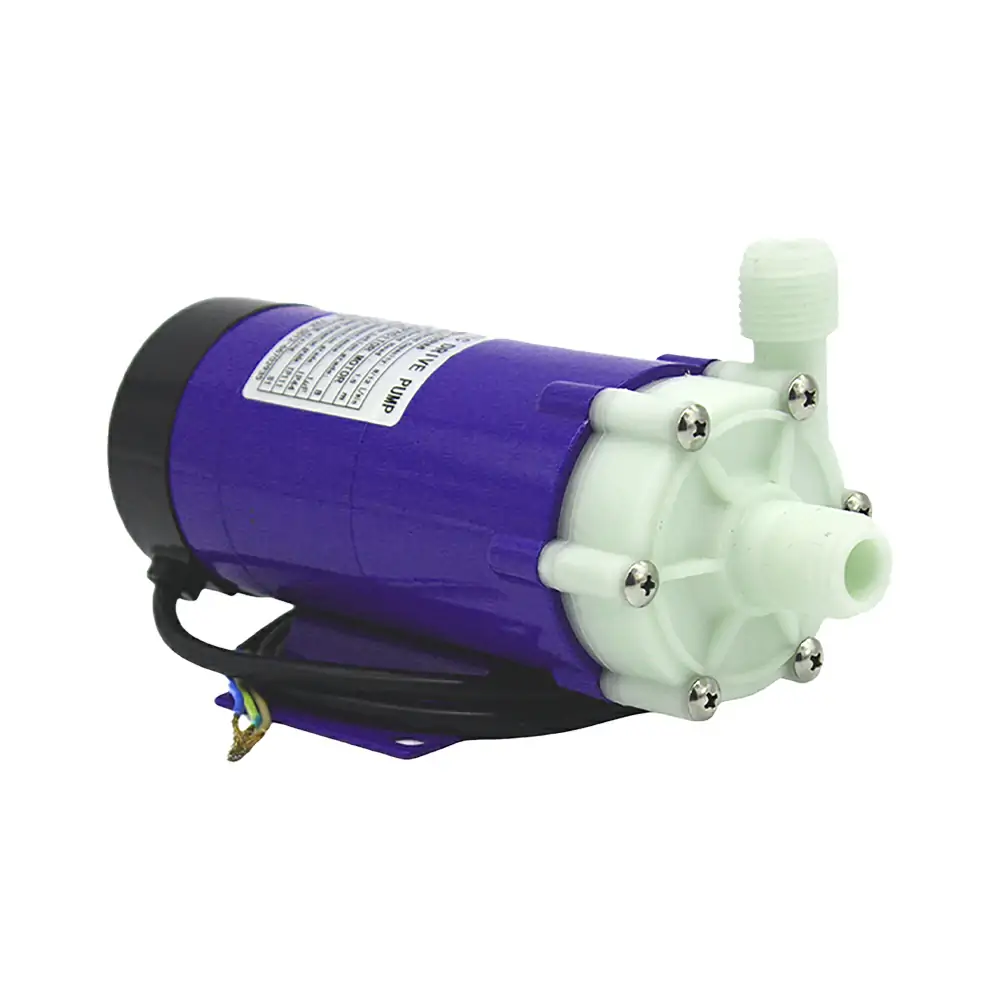
Magnetic Drive Pumps : Zero leakage seal-less design, safe and stable, specially used for toxic, volatile, flammable and other hazardous chemical media.
Progressing Cavity Pumps : Adaptable to high-pressure and high-viscosity working conditions, suitable for thick slurry and high-density chemical fluid transmission.
Gear Pumps : High transmission accuracy and stable metering performance, ideal for precise quantitative conveying of viscous chemical oils and reagents.
Specialized Solutions & Selection Guidelines for Marine Chemical Pumps
Marine chemical handling is one of the most rigorous application scenarios for pumping equipment. Different from onshore industrial environments, marine pumps need to cope with extreme complex conditions such as long-term saltwater erosion, alternating high and low temperatures, hull vibration and limited installation space, putting forward higher requirements for equipment durability, stability and compliance.
Core Characteristics of Qualified Marine Chemical Pumps
Superior Salt Corrosion Resistance : Adopts marine-grade anti-corrosion materials, resisting electrochemical corrosion caused by seawater and humid salt spray, avoiding equipment rust and failure in long-term marine operation.
Compact and Vibration-Resistant Design : Optimized miniaturized and portable structure, adapting to the limited cabin installation space; reinforced structural design to resist hull jitter and vibration, ensuring stable operation.
Strict Marine Safety Compliance : Fully compliant with international marine industry safety standards and certification specifications, meeting the safety and environmental protection requirements of offshore operations and tanker chemical transmission.
Wide Temperature Adaptability : Able to operate stably in variable marine temperature environments, adapting to extreme temperature differences in offshore and coastal scenarios.
Why Choose Our Chemical Pump Solutions?
With more than 20 years of professional experience in chemical pump R&D, manufacturing and customized matching, we have served countless complex industrial and marine chemical fluid handling projects, winning long-term trust from global clients. Our core competitive advantages are as follows:
Full-Market Resource Matching : Free from single product and brand restrictions, we screen global high-quality pump equipment and solutions to match the most suitable products for your unique working conditions.
Full-Lifecycle Expert Technical Support : Our professional technical team provides one-stop services including working condition analysis, pump selection guidance, scheme customization, installation debugging and daily maintenance.
Customized Bespoke Solutions : Capable of targeted R&D and manufacturing of non-standard special pumps for extreme working conditions and special chemical medium transmission needs.
Full Standard Compliance & Safety Guarantee : All products strictly implement international safety and industry certification standards (ATEX, marine specifications, etc.), ensuring safe, compliant and stable operation of equipment.