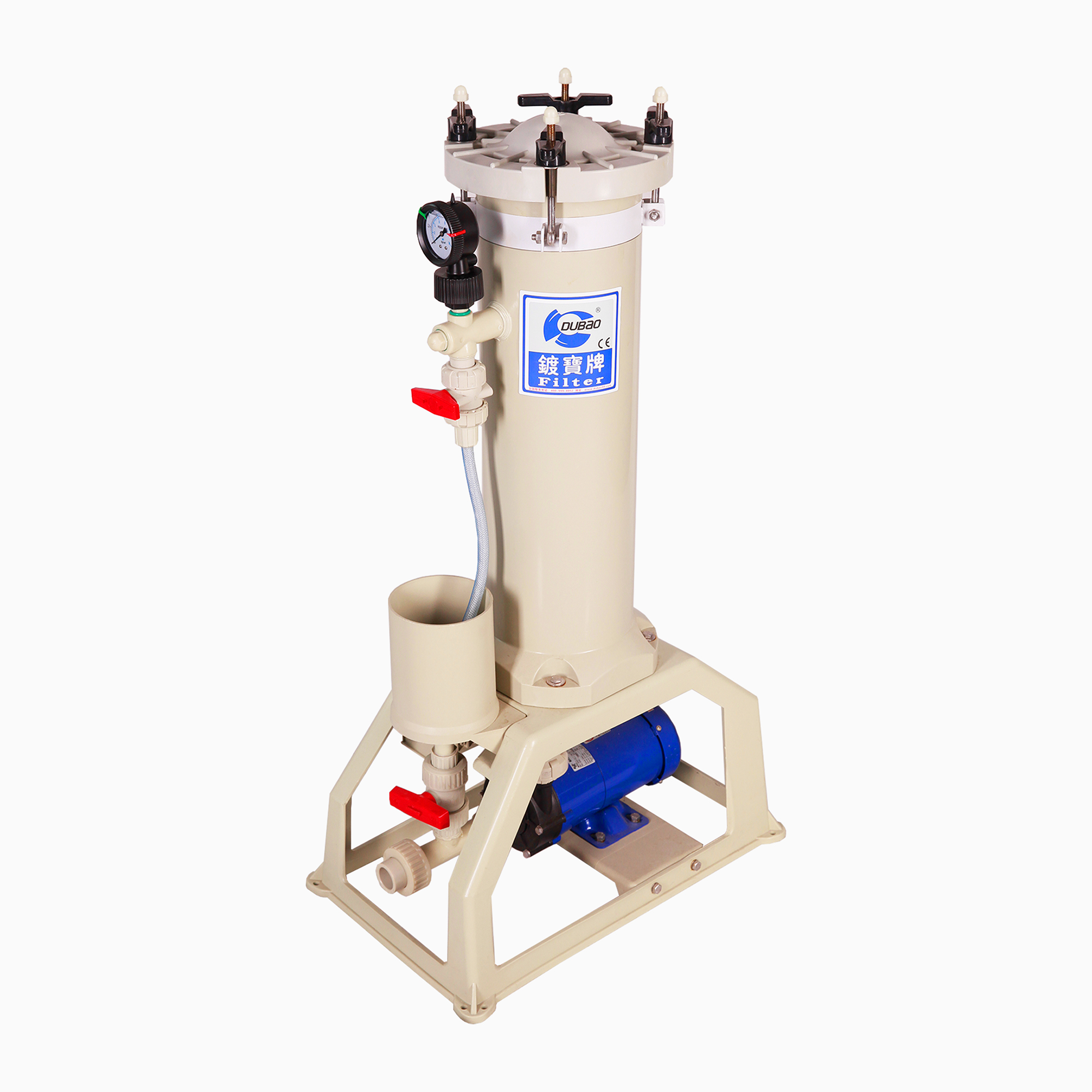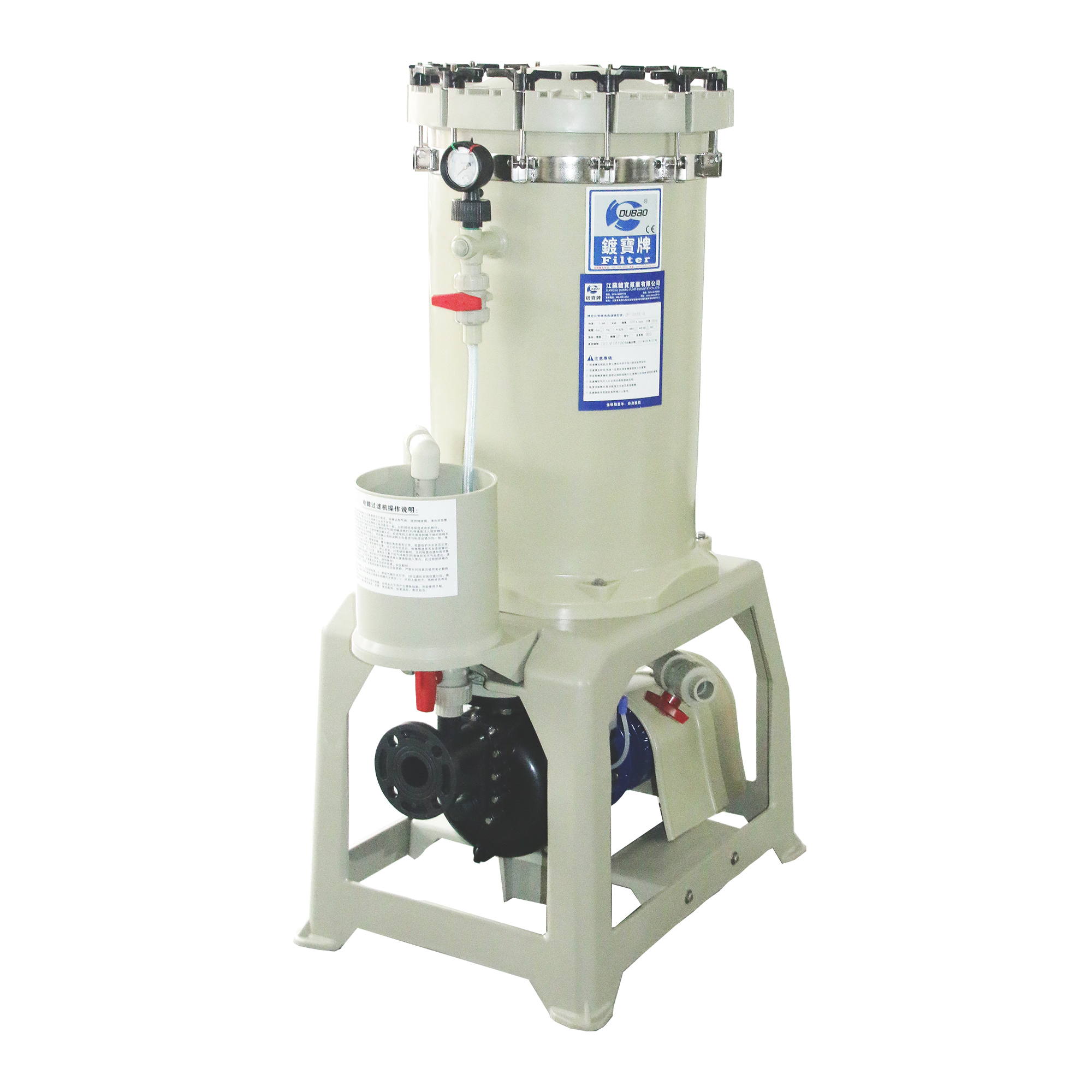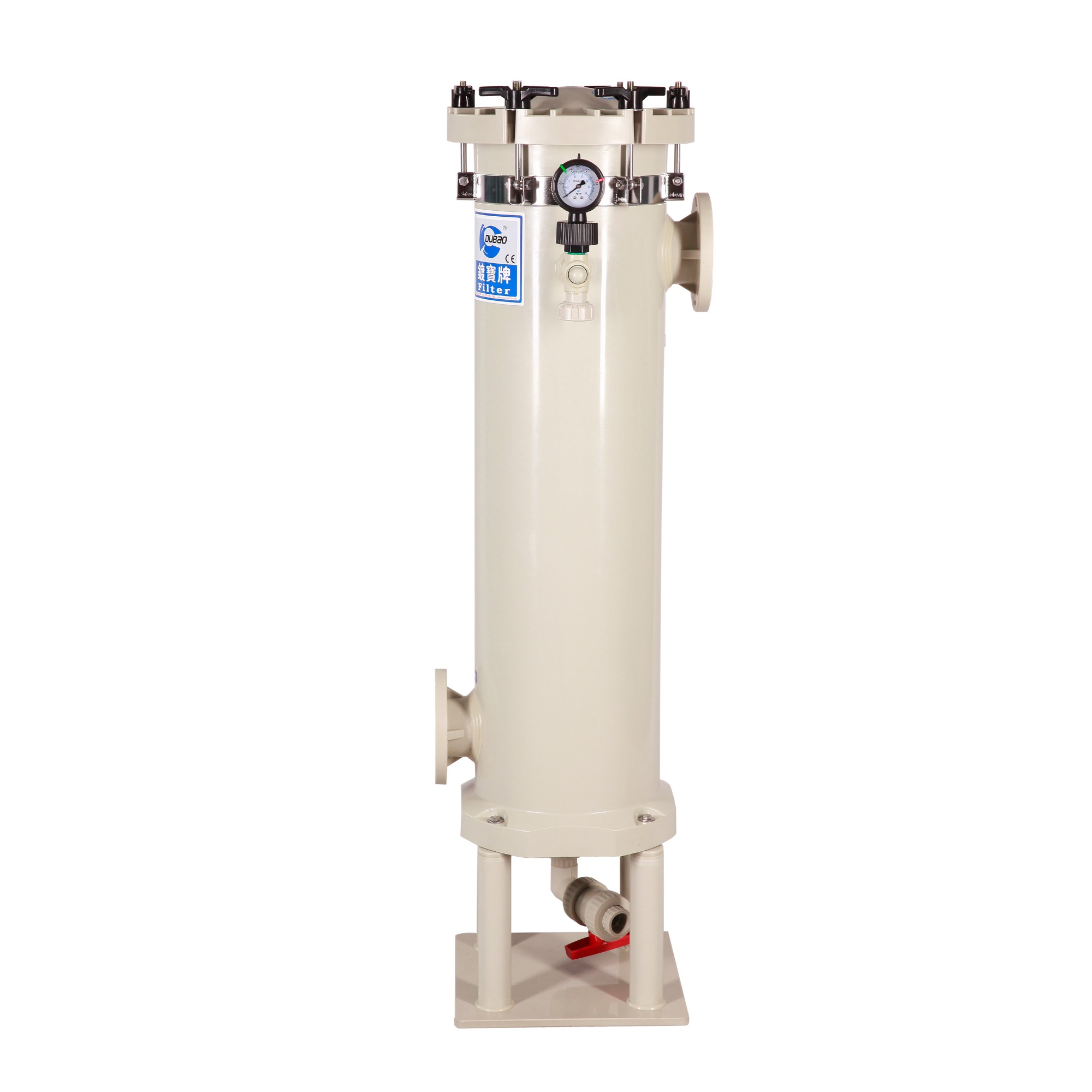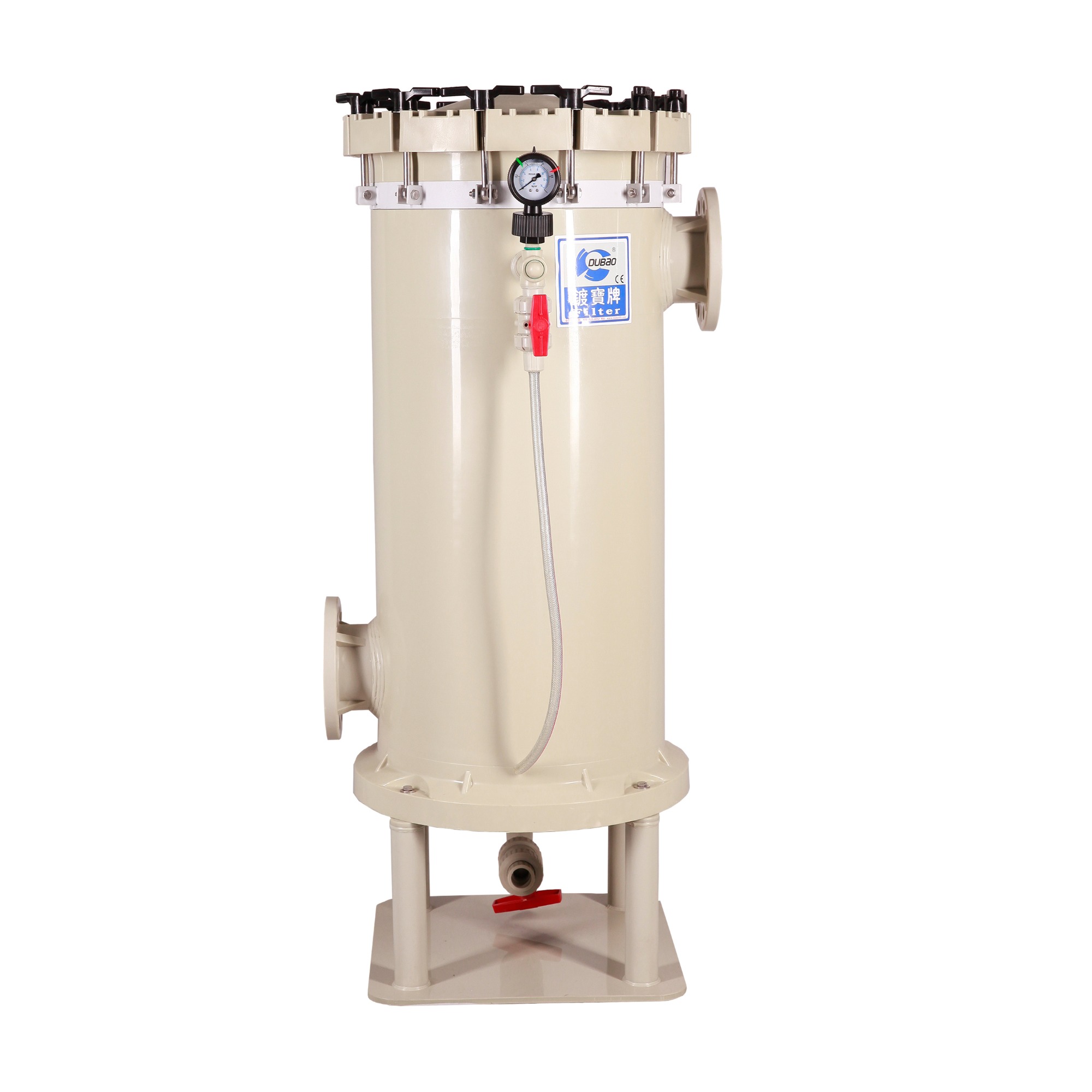
The working principle of a fluoroplastic filter is based on the micro-porous structure of its fluoroplastic material for filtration and separation. When liquid or gas passes through the fluoroplastic filter, larger solid particles or impurities are blocked on the surface or inside the micro-pores of the filter, while smaller particles or dissolved substances can pass through the micro-pores of the filter and enter downstream pipelines or equipment.
The micro-pore size of the fluoroplastic filter can be customized according to requirements, and it can filter particles of different sizes, ranging from several microns to hundreds of microns. In some special applications, the fluoroplastic filter can also use fiber materials, such as polytetrafluoroethylene fibers, to achieve filtration and separation through the gaps between fibers.
In summary, the working principle of a fluoroplastic filter is to achieve filtration and separation through the micro-porous structure of its fluoroplastic material, and the micro-pore size can be customized to meet different filtration requirements.
A Complete Guide to Chemical Pump Selection: Industrial Applications, Core Criteria and Marine-Specific Solutions
Plastic Pumps: Key Advantages, Material Progress and Industrial Applications
A Complete Guide to Magnetic Drive Pumps
Overview of Magnetic Drive Pumps: Principles, Advantages, Limitations and Industrial Applications