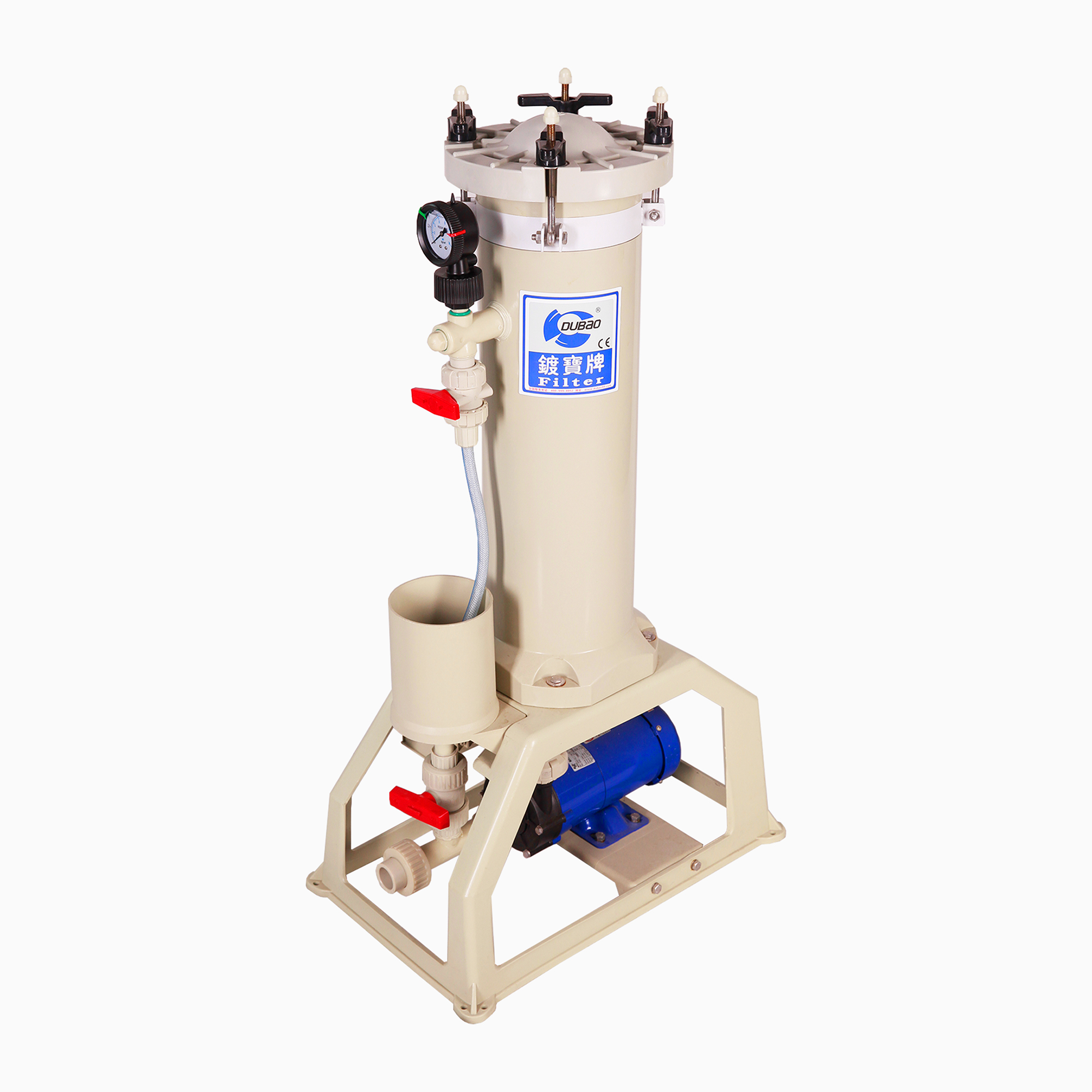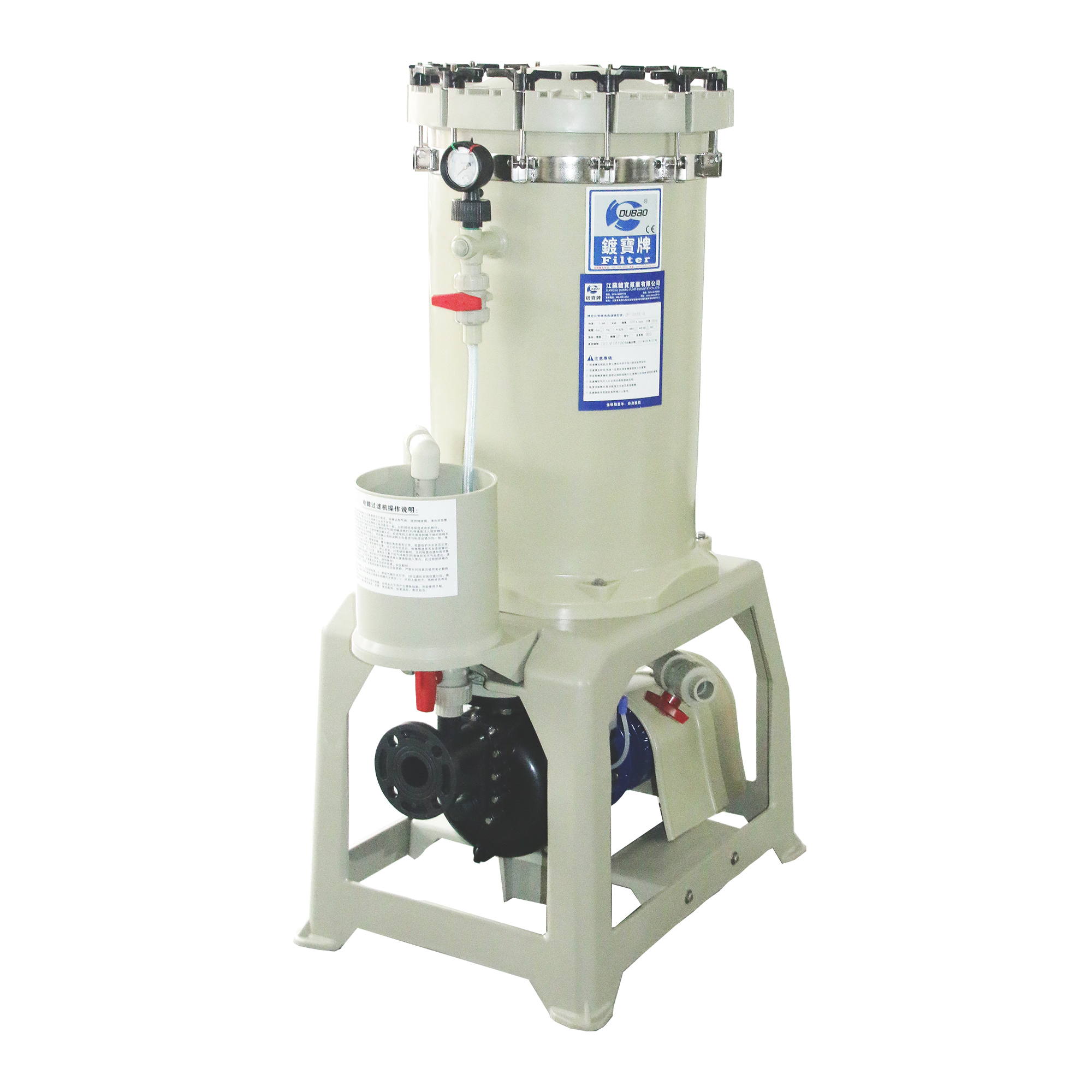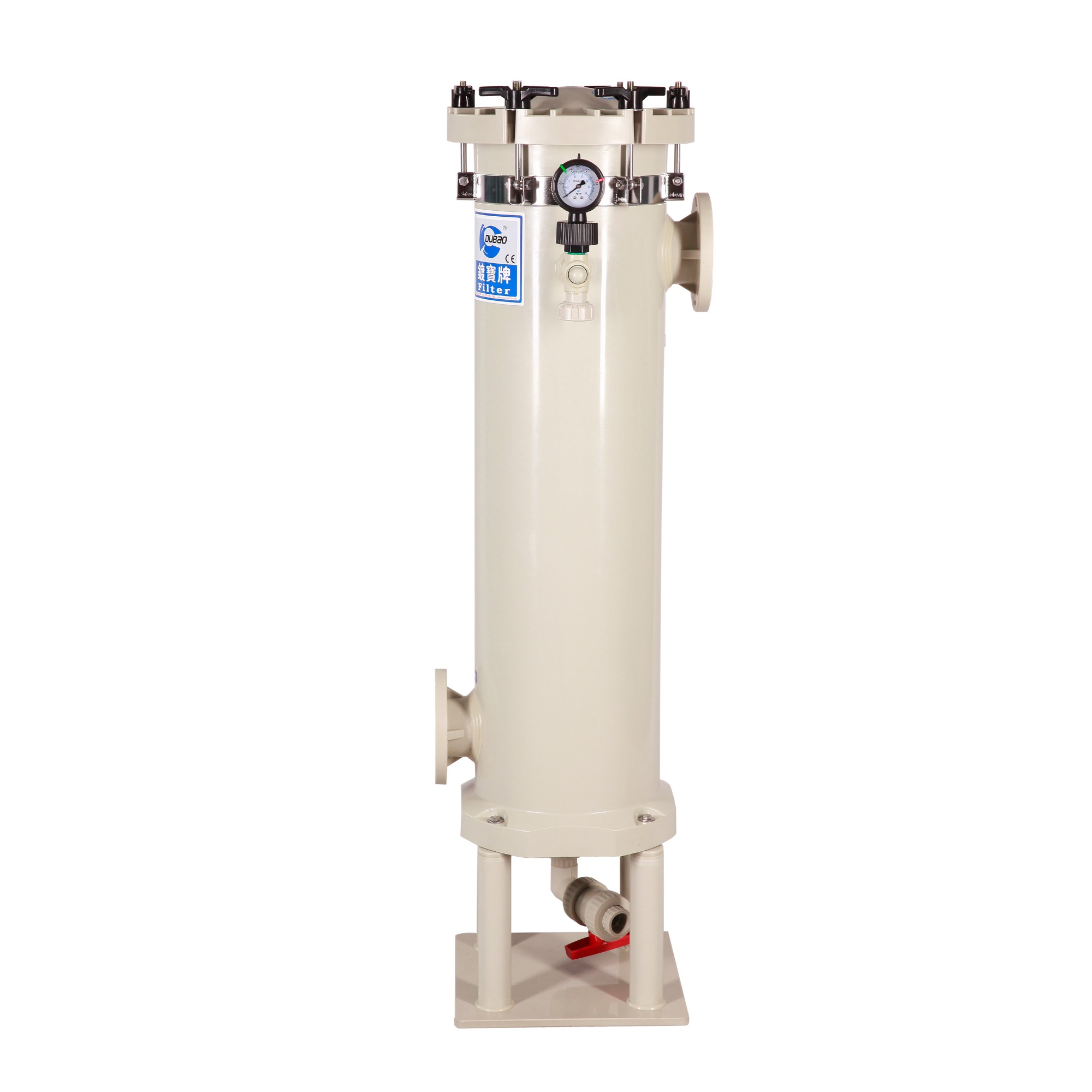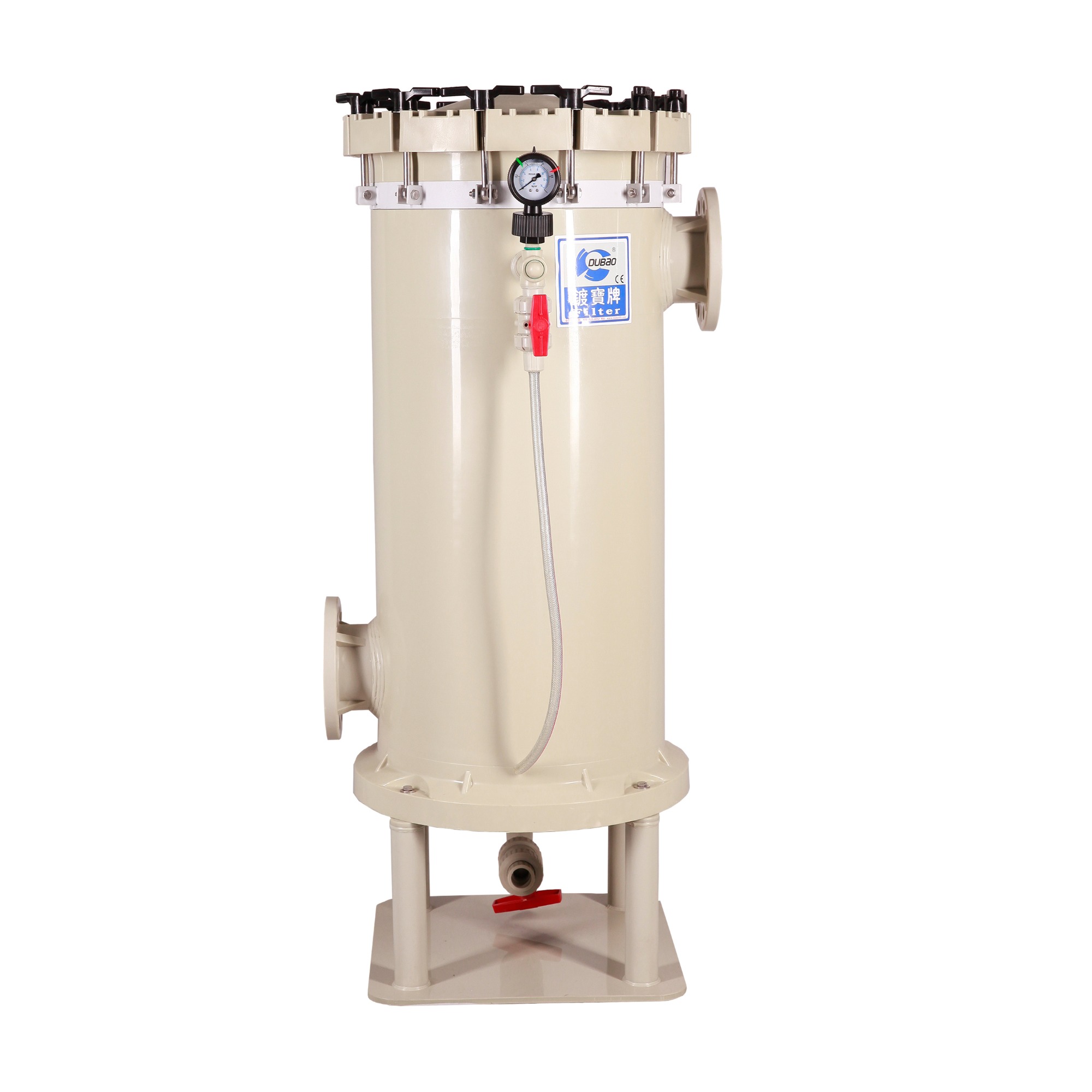
Acrylic filters are a common type of filter made from acrylic material. Acrylic material has characteristics such as high transparency, UV resistance, high corrosion resistance, good chemical stability, etc., which make acrylic filters suitable for many different fields, such as medical, laboratory, air purification, water treatment, etc.
The working principle of acrylic filters is to use the micro-porous structure of acrylic material to separate and filter particles, liquids, or gases while allowing other substances to pass through. It can filter particles of different sizes and can be customized to meet various application requirements.
The advantages of acrylic filters are that they have good filtering effect and high transparency, which can be used in high-precision application scenarios. In addition, acrylic filters are easy to clean and maintain and have a longer service life.
The disadvantage of acrylic filters is that in some special environments, they may crack or deform due to factors such as temperature and pressure. Therefore, when selecting acrylic filters, their advantages and disadvantages and applicable conditions should be comprehensively considered based on specific needs.
A Complete Guide to Chemical Pump Selection: Industrial Applications, Core Criteria and Marine-Specific Solutions
Plastic Pumps: Key Advantages, Material Progress and Industrial Applications
A Complete Guide to Magnetic Drive Pumps
Overview of Magnetic Drive Pumps: Principles, Advantages, Limitations and Industrial Applications