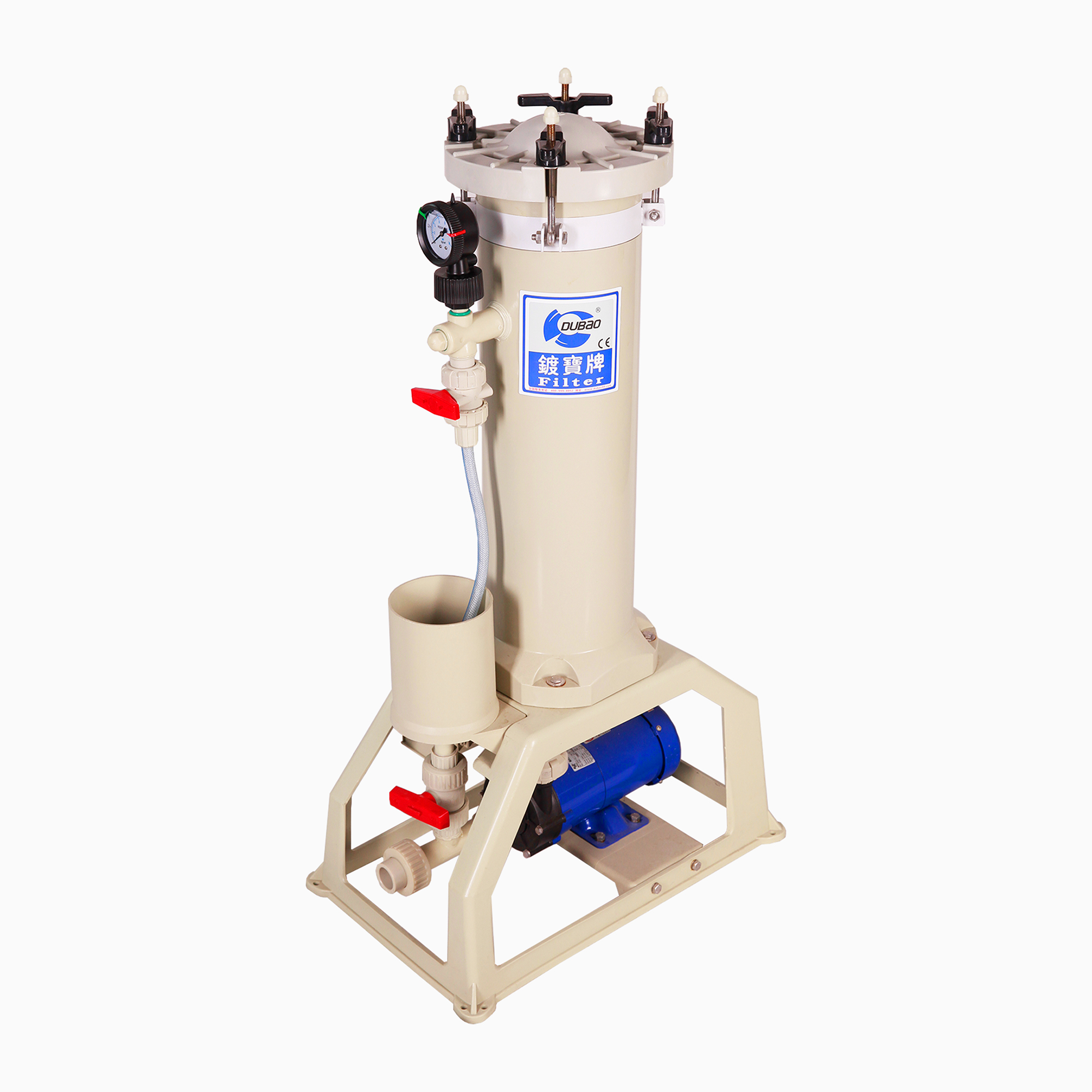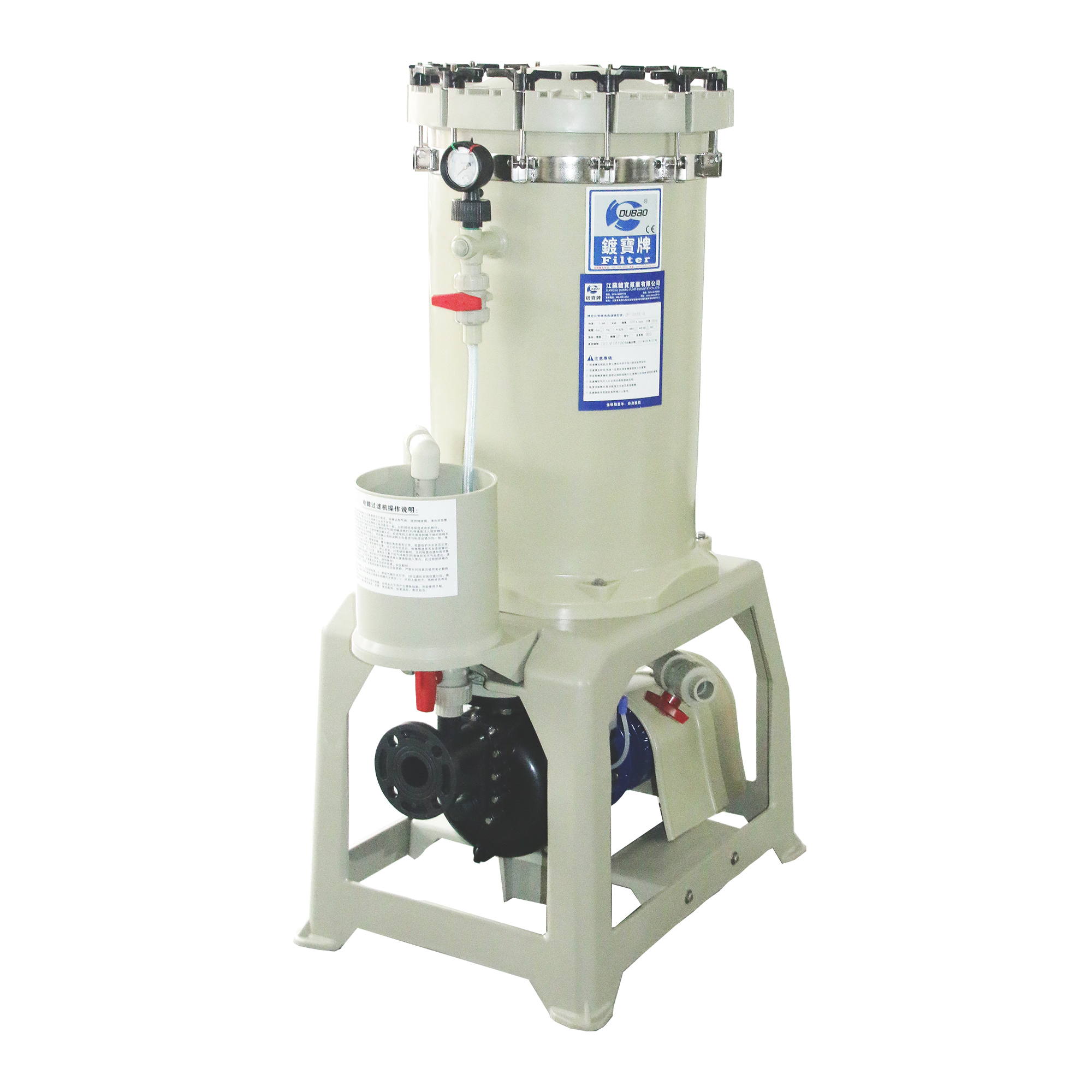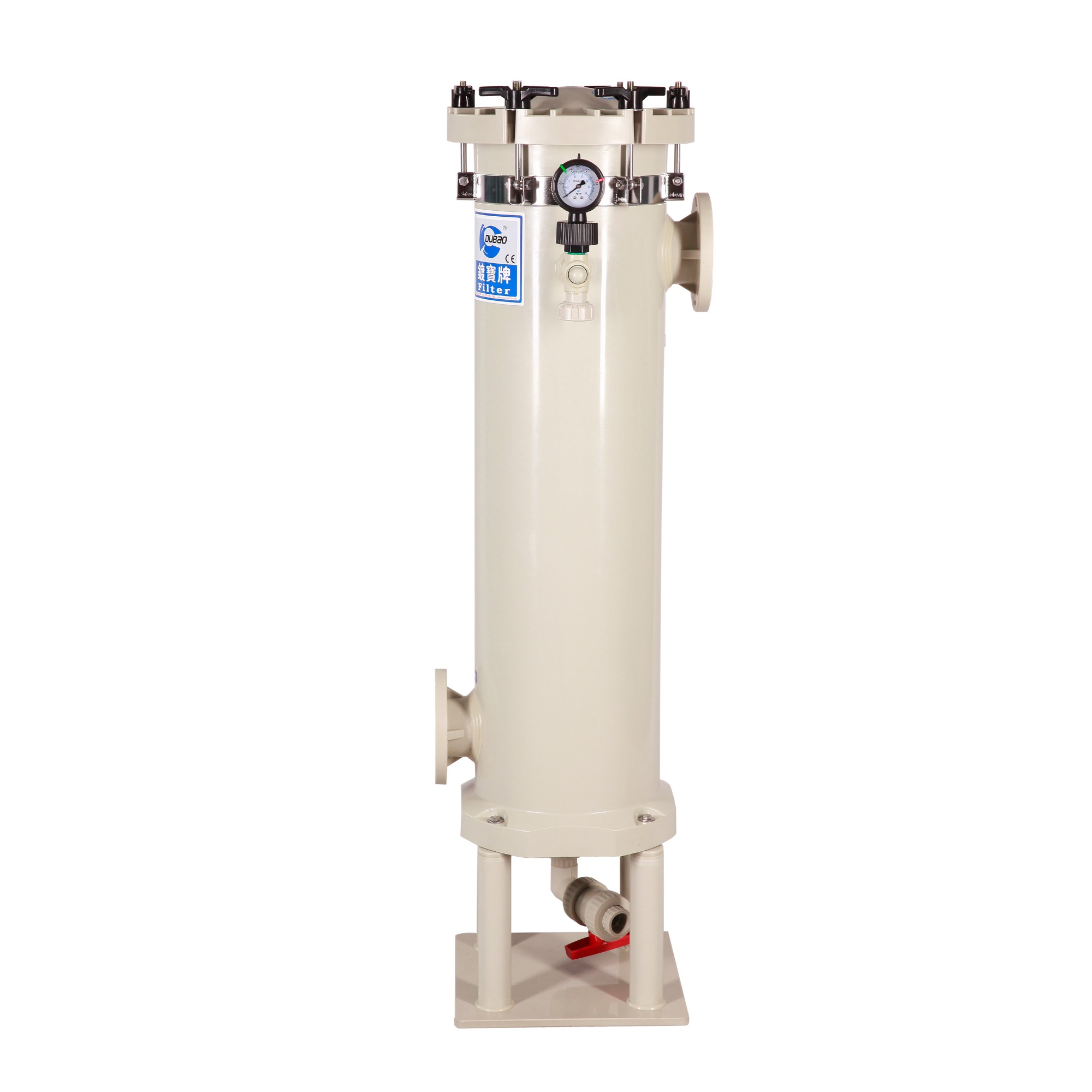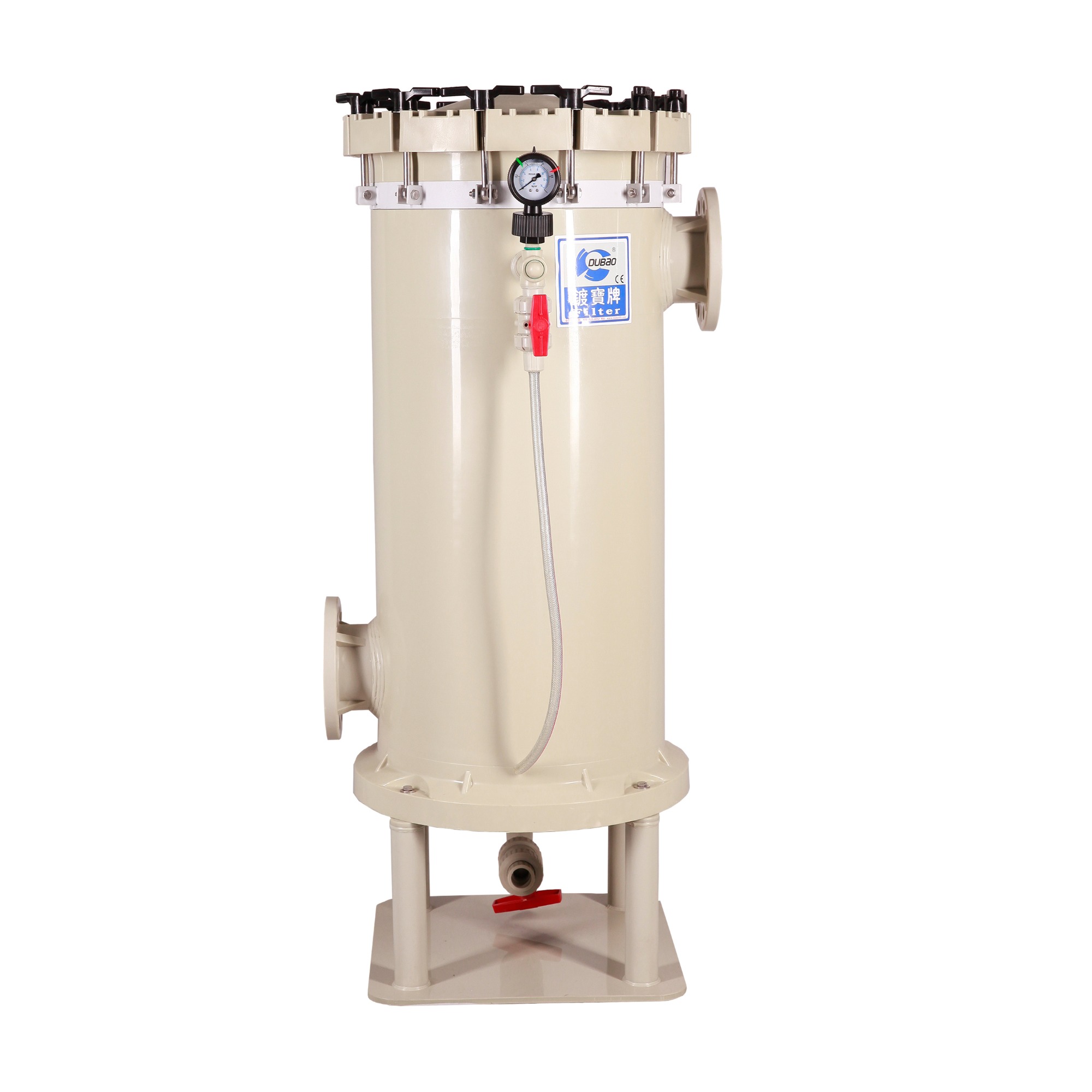
The application scenarios of the fluoroplastic filter are extensive due to the excellent characteristics of the fluoroplastic material, such as corrosion resistance, high temperature resistance, low friction coefficient, good electrical insulation, and wear resistance. Here are some common application scenarios for the fluoroplastic filter:
In the chemical industry, fluoroplastic filters can be used for filtering highly corrosive and high-temperature chemical media, such as acids, alkalis, and organic solvents.
In the electronics industry, fluoroplastic filters can be used in semiconductor manufacturing, LCD manufacturing, electroplating, and electroplating wastewater treatment, such as filtering in precision electronic components and electrolytic solution filtration in electronic processes.
In the medical industry, fluoroplastic filters can be used in pharmaceutical production, medical equipment manufacturing, and other fields for filtering and separating liquids such as medicine and medical water.
In the food and beverage industry, fluoroplastic filters can be used for filtering beverages such as juice, beer, and soft drinks, as well as for filtering in the production process of sweets, chocolates, and other foods.
In the sewage treatment industry, fluoroplastic filters can be used for filtering wastewater, such as chemical wastewater, petroleum wastewater, and printing and dyeing wastewater.
In summary, fluoroplastic filters have excellent properties such as strong corrosion resistance, high temperature resistance, wear resistance, and good insulation, and can be widely used in the filtration and separation of liquids and gases in various fields, including chemical, electronics, medical, food and beverage, and sewage treatment industries.
A Complete Guide to Chemical Pump Selection: Industrial Applications, Core Criteria and Marine-Specific Solutions
Plastic Pumps: Key Advantages, Material Progress and Industrial Applications
A Complete Guide to Magnetic Drive Pumps
Overview of Magnetic Drive Pumps: Principles, Advantages, Limitations and Industrial Applications