Structure and principle of corrosion resistant filter

Views : 855
Update time : 2023-02-25 16:57:09
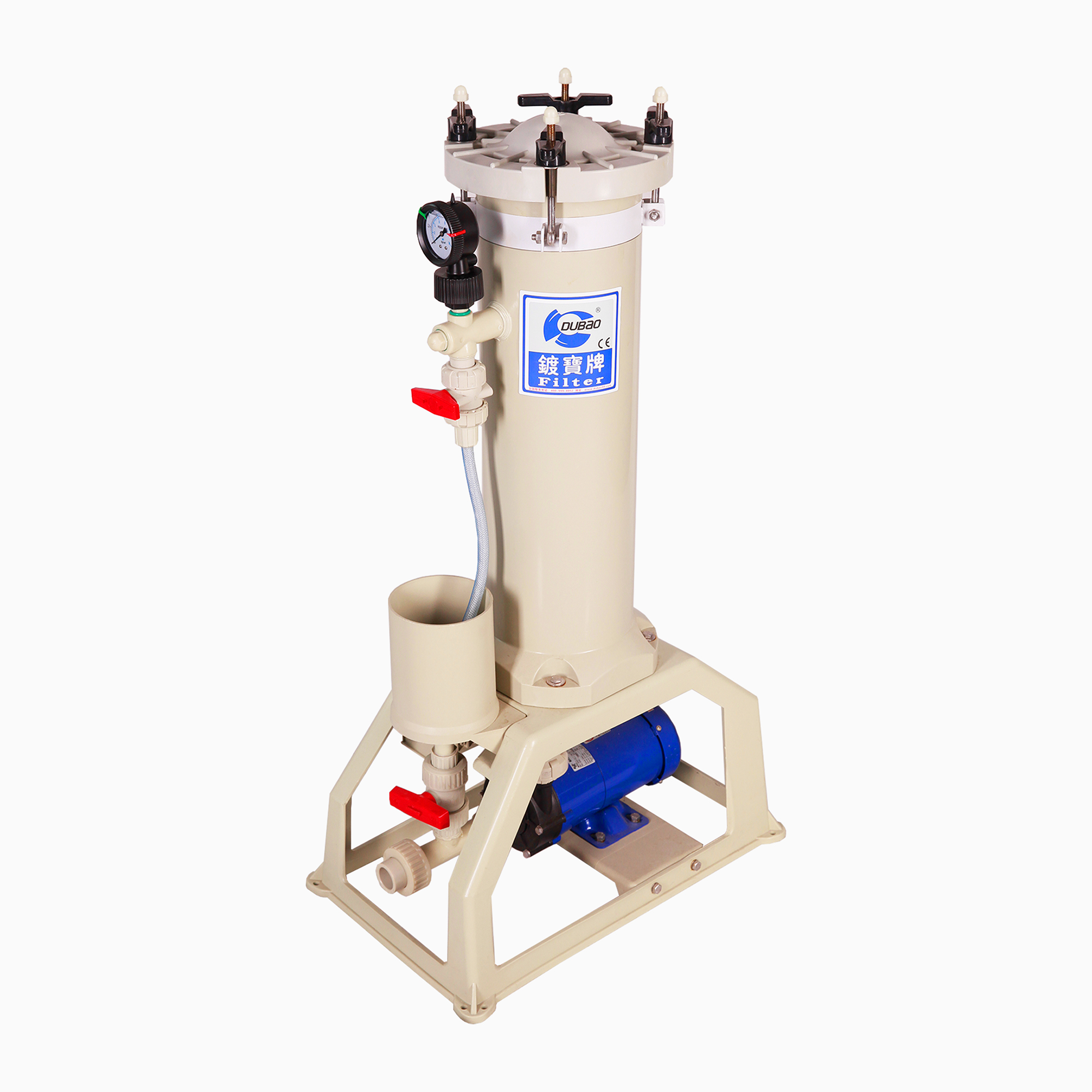
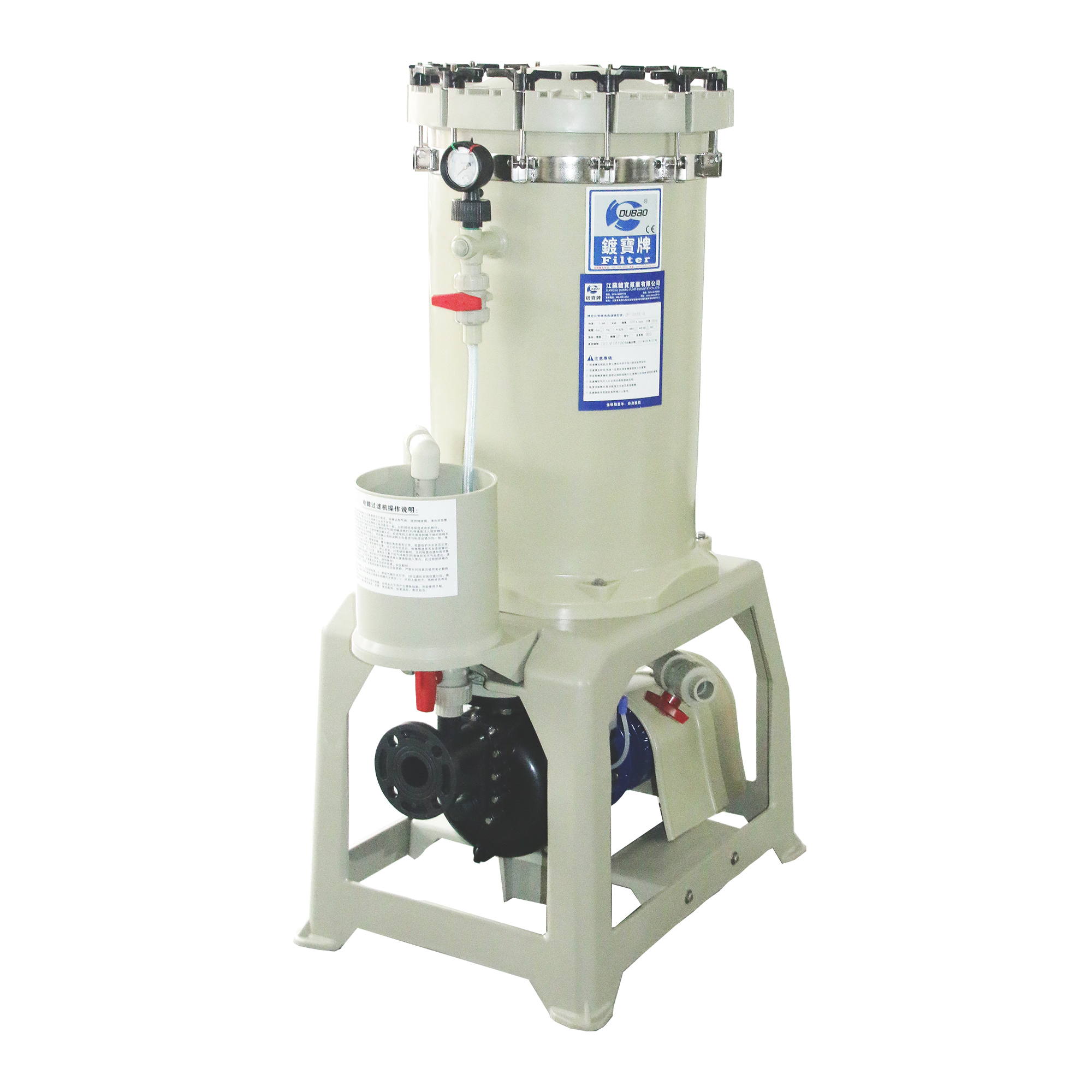
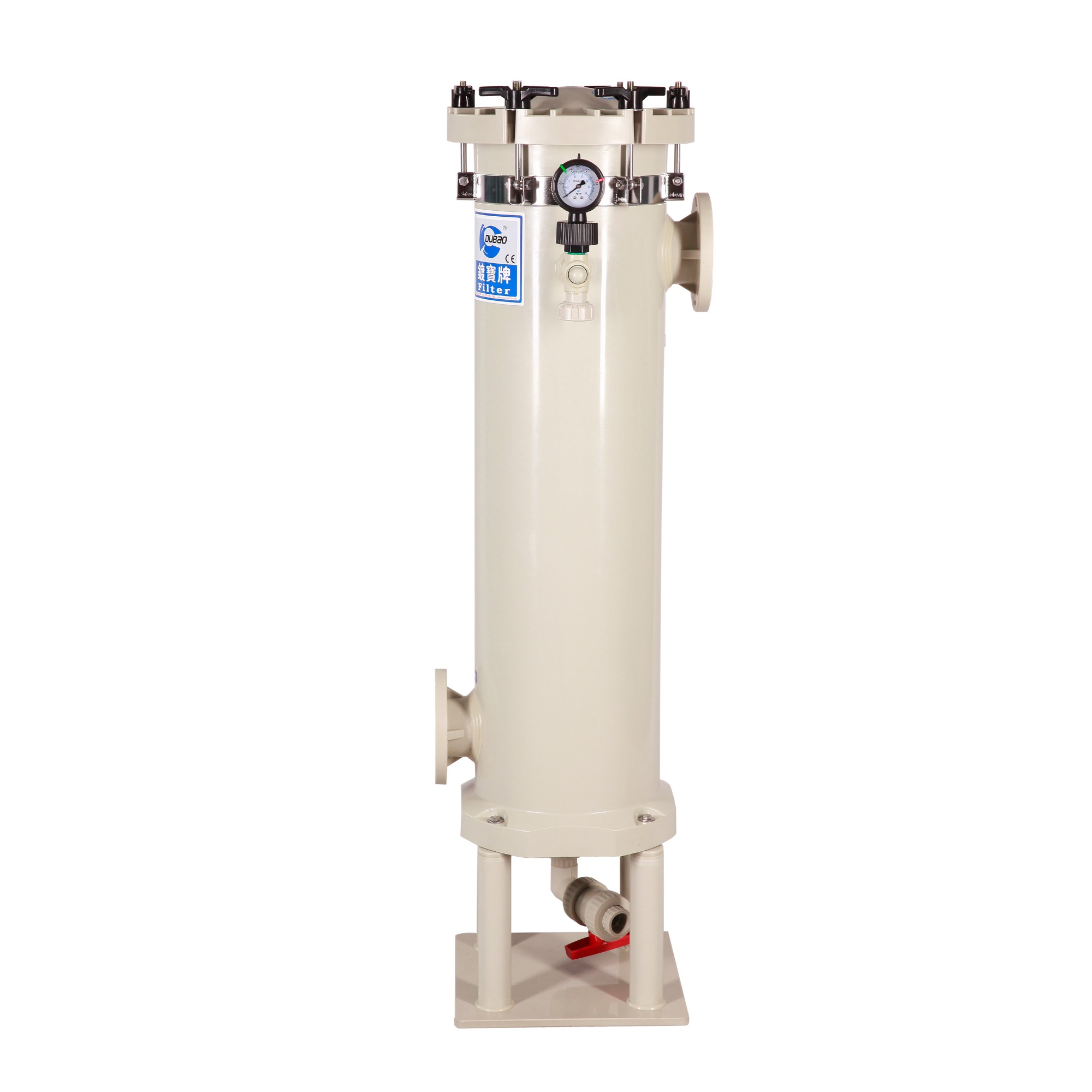
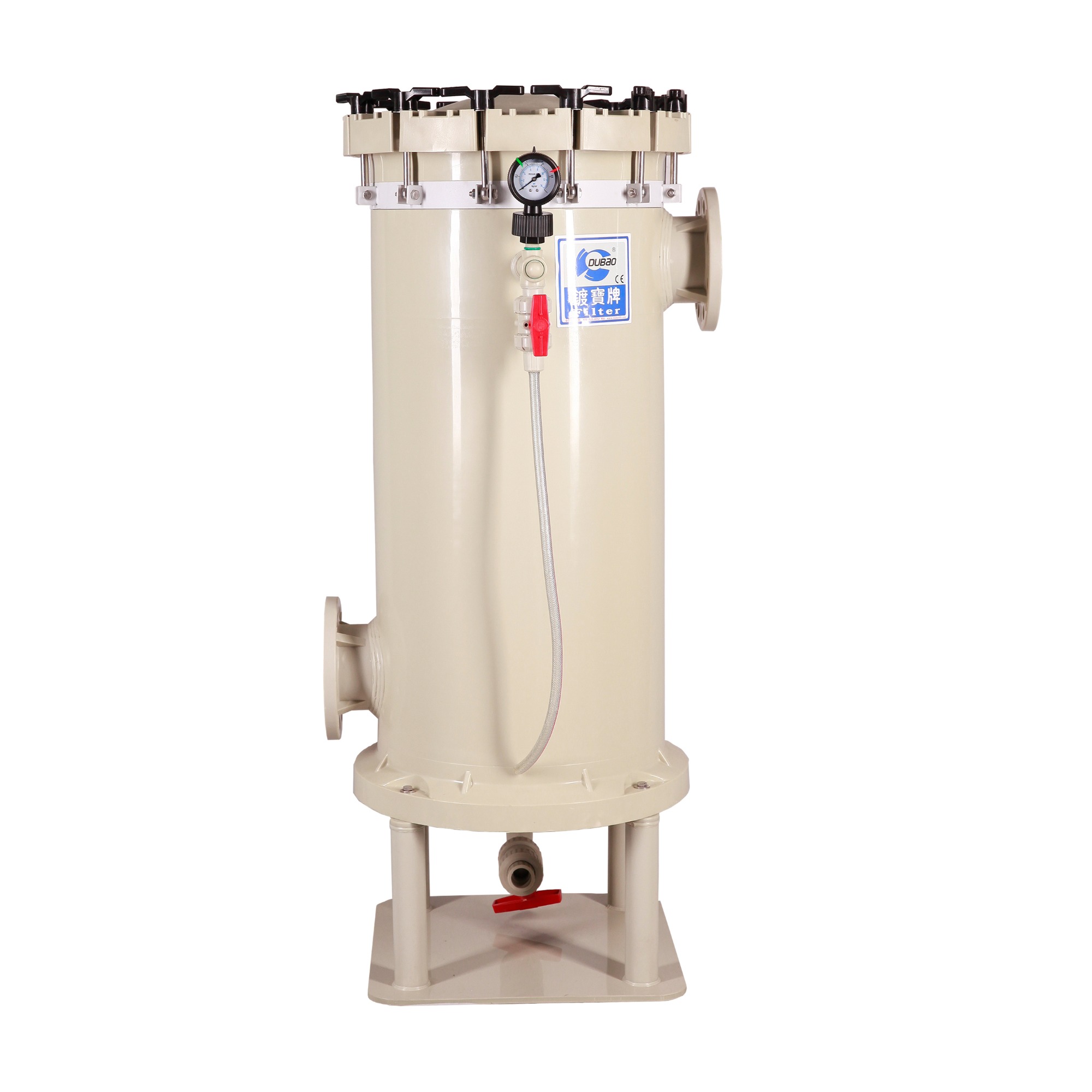
Corrosion resistant filter is composed of tank, filter column, backwash structure, reducer, electric valve, differential pressure controller and electric control box. The diaphragm in the tank body divides it into two chambers, the upper part is the clear water area, the lower part is the muddy water area, the two are completely separated, and a number of stainless steel filter columns are installed on the diaphragm. Raw water to be treated enters the muddy water area through the inlet and enters the inner cavity of the filter column through the water cloth hole on the diaphragm from bottom to up. Impurities larger than the filter column gap are intercepted, water through the gap into the clean water area. All the liquids filtered by the filter column converge in the clear water area and flow out from the outlet after excess.
First of all, corrosion resistant filter initial filter medium can only intercept large solid particles, small particles with filtrate through the filter medium. After the formation of the initial filter slag layer, the filter slag layer plays a major role in filtration, then large and small particles are trapped, such as the filter of plate and frame filter.
Then to the deep filter of corrosion resistant filter, the filter medium is thicker, the suspension contains fewer solid particles, and the particles are smaller than the filter medium. Filtration, particles into the pore after adsorption, such as porous plastic pipe filter, sand filter filter.
After the screening of the corrosion resistant filter, the solid particles intercepted by the filter are larger than the pores of the filter medium. The solid particles are not absorbed inside the filter medium, such as the rotary drum filter screen to filter the coarse impurities in sewage. In the actual filtering process, the three methods often occur simultaneously or successively.
Related News
Read More >>
A Complete Guide to Chemical Pump Selection: Industrial Applications, Core Criteria and Marine-Specific Solutions A Complete Guide to Chemical Pump Selection: Industrial Applications, Core Criteria and Marine-Specific Solutions
Aug .12.2026
This guide outlines professional chemical pump selection criteria covering material compatibility, sealing design, safety compliance, and parameter matching. It introduces applicable pump types, strict marine pump requirements, and reliable customized solutions for diverse industrial corrosive fluid handling scenarios.
Plastic Pumps: Key Advantages, Material Progress and Industrial Applications Plastic Pumps: Key Advantages, Material Progress and Industrial Applications
Aug .04.2026
Industrial Development of Plastic Pump Technology,Core Advantages of Modern Industrial Plastic Pumps,Advanced Upgrades in Modern Plastic Material Performance
A Complete Guide to Magnetic Drive Pumps A Complete Guide to Magnetic Drive Pumps
Jul .31.2026
A magnetic drive pump (commonly shortened to mag drive pump) is a high-reliability seal-less centrifugal pump that utilizes magnetic coupling technology to transmit power from the electric motor to the internal impeller.
Overview of Magnetic Drive Pumps: Principles, Advantages, Limitations and Industrial Applications Overview of Magnetic Drive Pumps: Principles, Advantages, Limitations and Industrial Applications
Jul .17.2026
1. What Is a Magnetic Drive Pump? 2. Core Advantages of Magnetic Drive Pumps 3. Key Disadvantages and Limitations of Magnetic Drive Pumps 4. Industrial Applications of Magnetic Drive Pumps and Optimized Alternatives