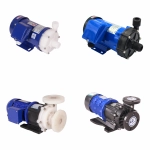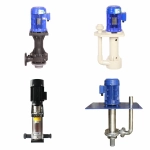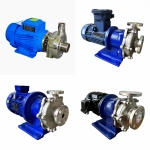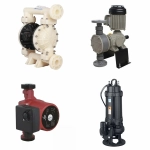
Professional manufacturer of chemical pumps, the following is to introduce the importance of chemical pump selection: how to select the material of a chemical pump valve is very important for chemical enterprises.
Corrosion is one of the most troublesome hazards of chemical equipment, ranging from damaging equipment to causing accidents and even disasters. According to statistics, about 60% of the damage of chemical pumps and valves is caused by corrosion. Therefore, when selecting chemical pumps and valves, we should first pay attention to the scientificity of material selection.
2.Key Points of Chemical Pump Material Selection
1.Sulfuric acid
As one of the strong corrosive media, sulfuric acid is an important industrial raw material with a wide range of applications. Different concentrations and temperatures of sulfuric acid have great differences in the corrosion of materials. For concentrated sulfuric acid with a concentration of more than 80% and a temperature of less than 80 ℃, carbon steel, and cast iron have good corrosion resistance, but it is not suitable for high-speed flowing sulfuric acid and is not suitable for pump valve materials; Ordinary stainless steels such as 304 (0Cr18Ni9) and 316 (0Cr18Ni12Mo2Ti) are also limited to sulfuric acid medium. Therefore, the pump valve for transporting sulfuric acid is usually made of high silicon cast iron (difficult to cast and process) and high alloy stainless steel (No. 20 alloy). Fluoroplastics have good resistance to sulfuric acid, so using fluorine lined valve is a more economical choice.
2.Acetic acid
It is one of the most corrosive substances in organic acids. Ordinary steel will be seriously corroded in acetic acid at all concentrations and temperatures. Stainless steel is an excellent acetic acid-resistant material. 316 stainless steel containing molybdenum can also be used for high temperature and dilute acetic acid steam. For high temperature and high concentration acetic acid or other corrosive media, a high alloy stainless steel valve or fluoroplastic valve can be select when selecting a chemical pump.
3.Hydrochloric acid
Most metal materials are not resistant to hydrochloric acid corrosion (including various stainless steel materials), and molybdenum-containing high silicon iron can only be used for hydrochloric acid below 50 ℃ and 30%. Contrary to metal materials, most non-metallic materials have good corrosion resistance to hydrochloric acid, so lined rubber valves and plastic valves (such as polypropylene, fluoroplastics, etc.) are the best choice for transporting hydrochloric acid.
4. Nitric acid
Most general metals are rapidly corroded and damaged in nitric acid. Stainless steel is the most widely used nitric acid-resistant material and has good corrosion resistance to all concentrations of nitric acid at room temperature. It is worth mentioning that the corrosion resistance of molybdenum-containing stainless steel (such as 316 and 316L) to nitric acid is not only better than that of ordinary stainless steel (such as 304 and 321) but sometimes even worse. For high-temperature nitric acid, titanium and titanium alloy materials are usually used.
The above is about the selection of chemical pump materials. Select different materials according to different liquids to ensure the good operation of the pump in the appropriate scene.
If you have any questions about the chemical pump that you don't understand, please contact us.
This guide outlines professional chemical pump selection criteria covering material compatibility, sealing design, safety compliance, and parameter matching. It introduces applicable pump types, strict marine pump requirements, and reliable customized solutions for diverse industrial corrosive fluid handling scenarios.
Industrial Development of Plastic Pump Technology,Core Advantages of Modern Industrial Plastic Pumps,Advanced Upgrades in Modern Plastic Material Performance
A magnetic drive pump (commonly shortened to mag drive pump) is a high-reliability seal-less centrifugal pump that utilizes magnetic coupling technology to transmit power from the electric motor to the internal impeller.
1. What Is a Magnetic Drive Pump? 2. Core Advantages of Magnetic Drive Pumps 3. Key Disadvantages and Limitations of Magnetic Drive Pumps 4. Industrial Applications of Magnetic Drive Pumps and Optimized Alternatives