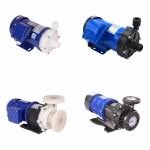
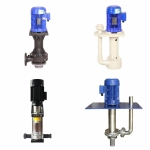
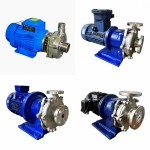
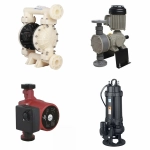
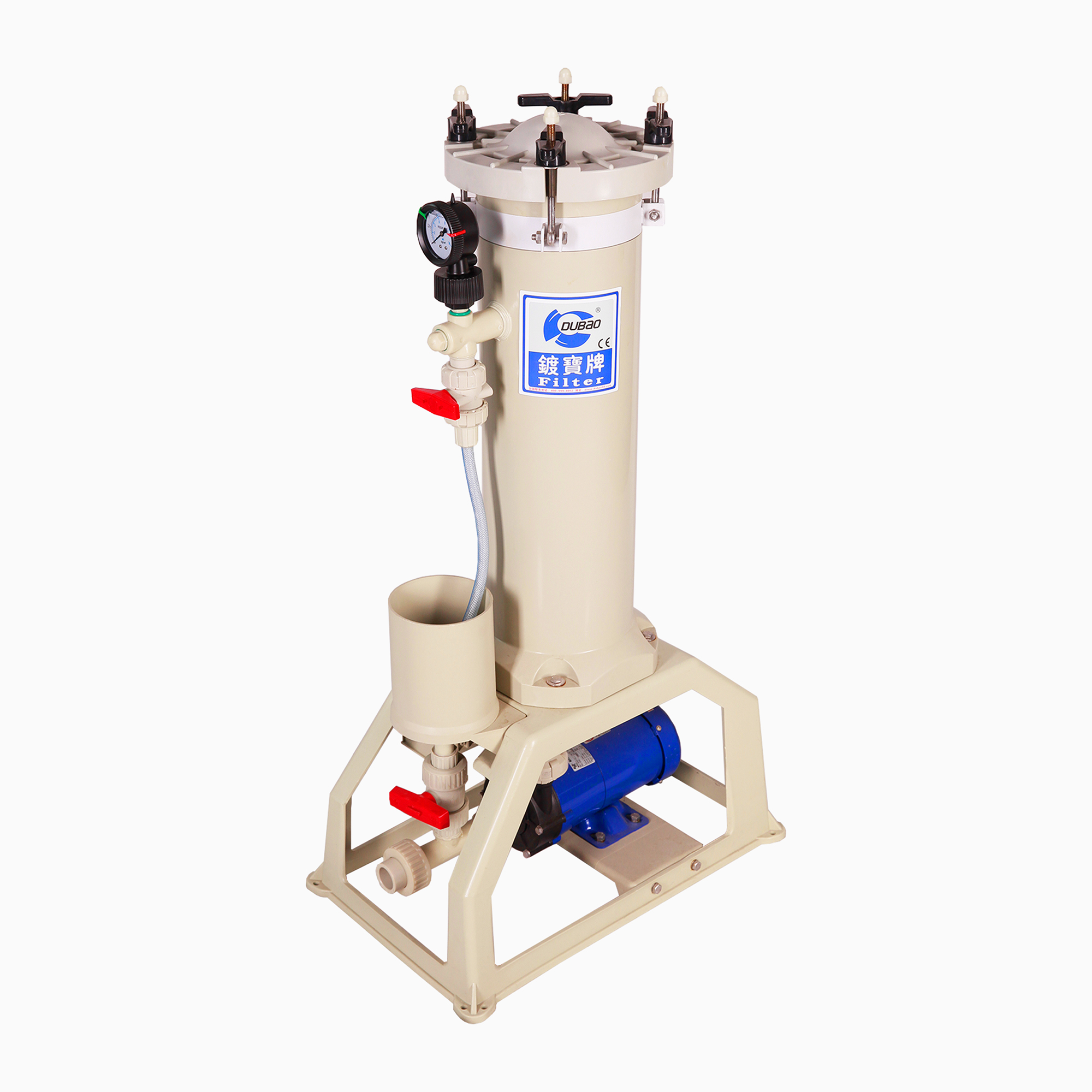
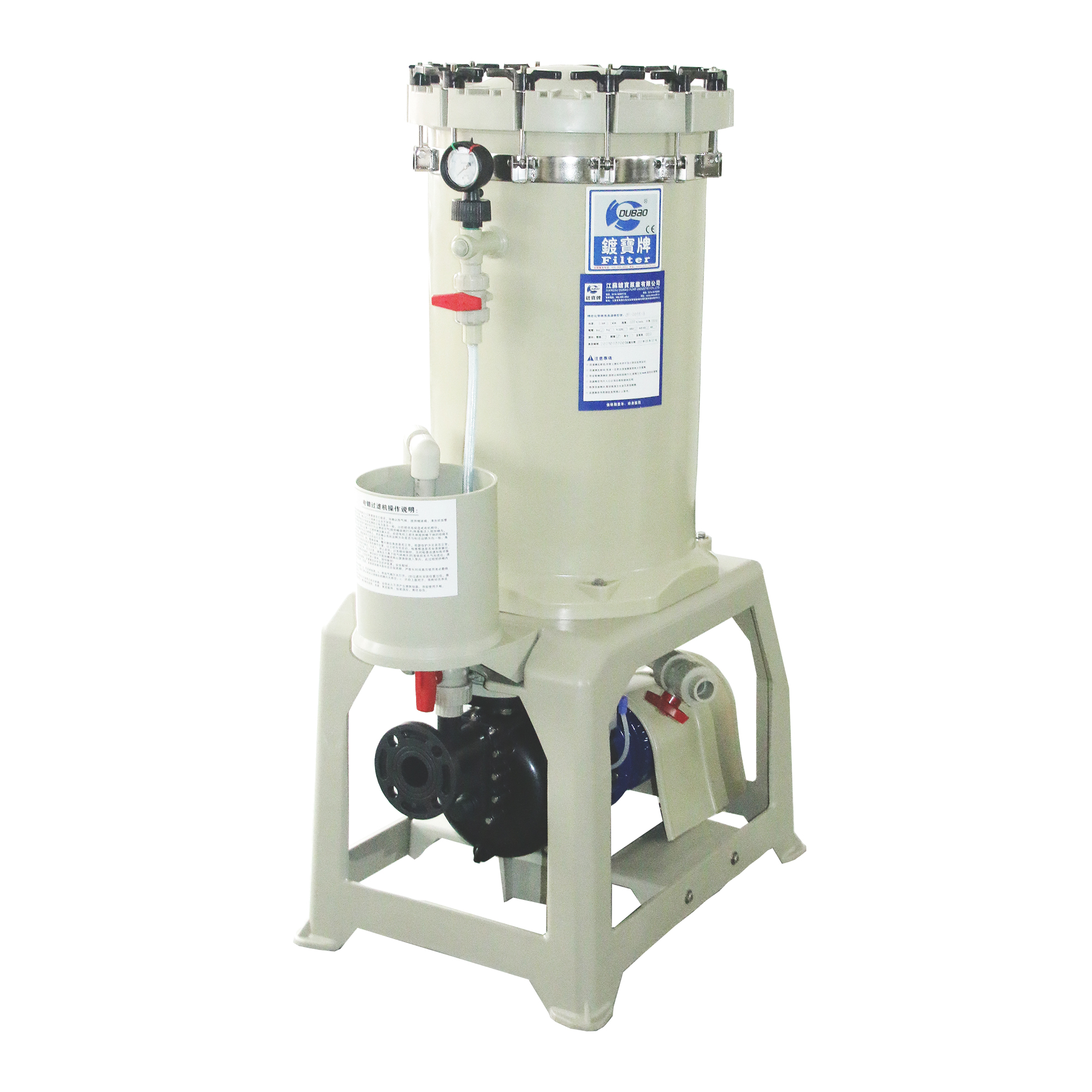
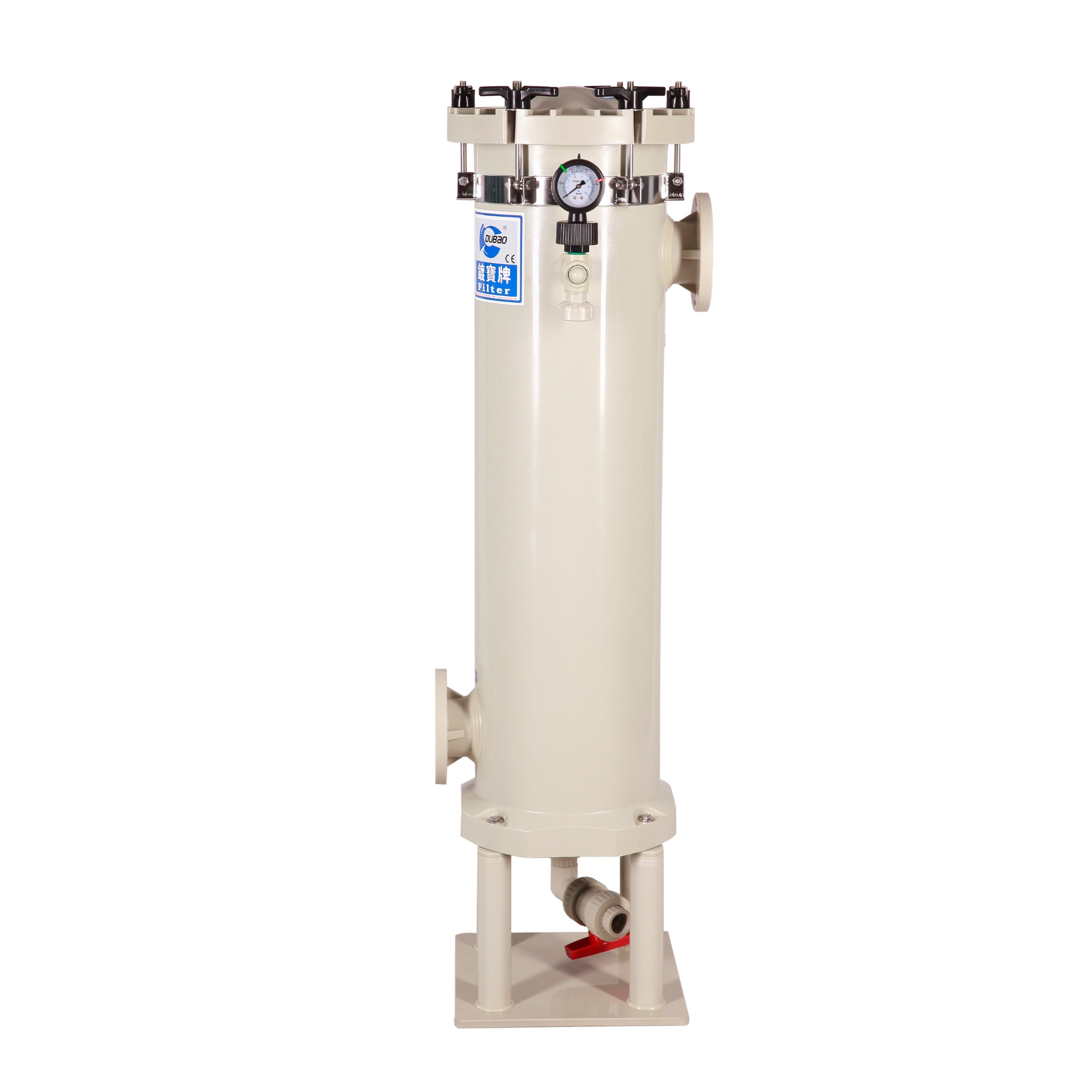
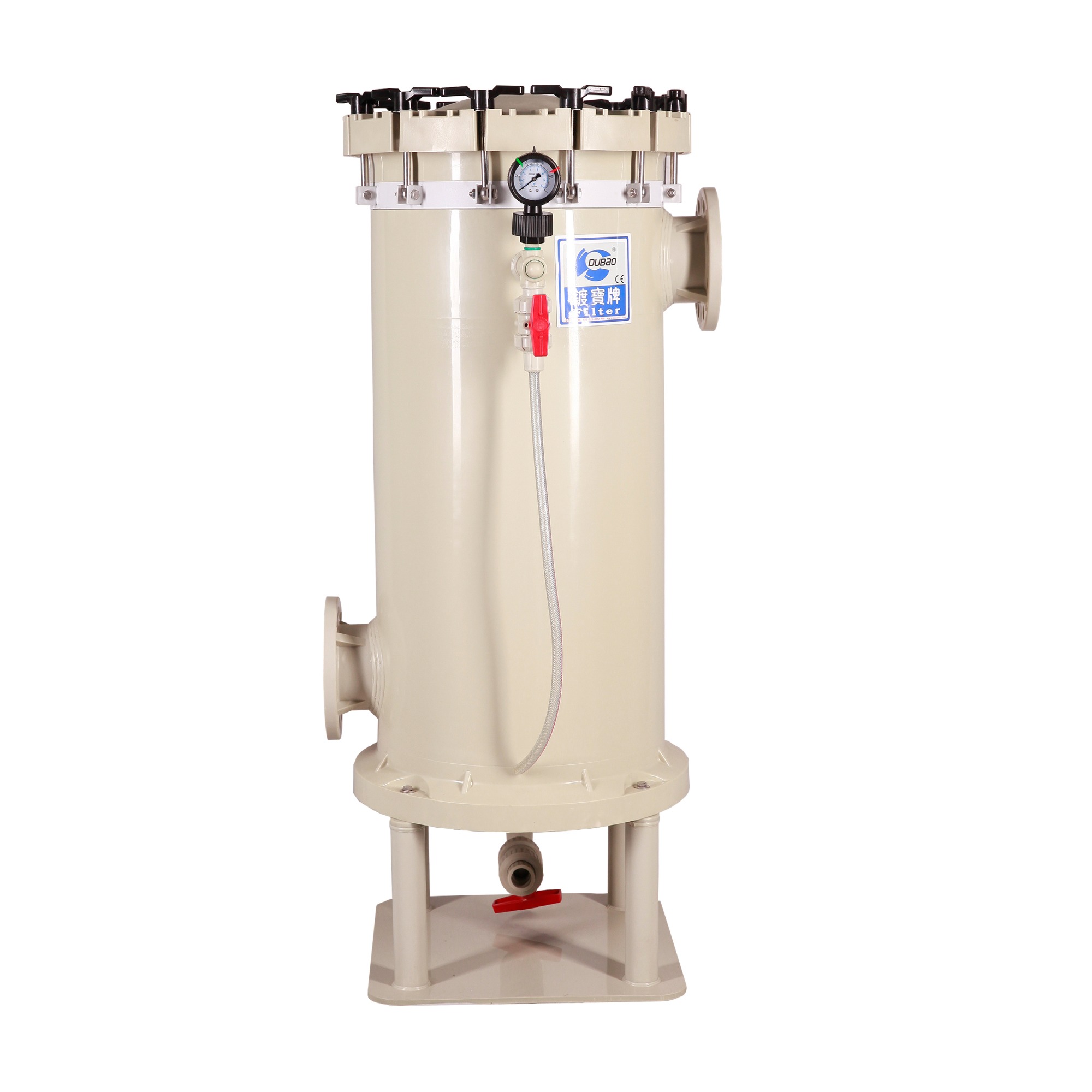
Chemical pump (acid and alkali resistant pump) are widely used in chemical, petroleum, metallurgy, light industry, synthetic fiber, environmental protection, food, medicine and other departments. , play a big role.
(↑ Acid and Alkali Resistant Self-priming Pump Commonly Used in Electroplating Industry)
How does the chemical pump (acid and alkali resistant pump) achieve a high sealing state? This problem can be explained from the following two aspects.
1. Chemical Pump Sealed Form
For static seals, there are usually only two forms of gaskets and seals, and O-rings are the most widely used seals; for dynamic seals, chemical pump rarely use packing seals, mainly mechanical seals.
Mechanical seals are divided into single-end and double-end, balanced and unbalanced types. The balanced type is suitable for the sealing of high-pressure media (usually refers to the pressure greater than 1.0MPa).
Double-end mechanical seals are mainly used for high temperature, easy to crystallize, viscous, particle-containing and toxic and volatile media. Double-end mechanical seals should inject isolation fluid into the sealing cavity, and the pressure is generally 0.07~0.1MPa higher than the medium pressure.
The material of static seal of chemical pump (acid and alkali resistant pump) is generally made of fluorine rubber, and PTFE material is used in special cases;
The material configuration of the dynamic and static rings of the mechanical seal of chemical pumps is more critical. It is not the best cemented carbide to the cemented carbide. The high price is on the one hand.
3. Classification of Chemical Pumps According to the Conditions of Use
Large-flow and micro-flow chemical pump: the flow rates are 300m3/min and 0.01L/min respectively;
High temperature pump and low temperature chemical pump: high temperature up to 500 ℃, low temperature to -Z53 ℃;
High-pressure pump and low-pressure chemical pump: the high pressure reaches 200MPa, and the vacuum degree is 2.66---10.66kPa (20-80mmHg);
High-pressure pump and low-pressure chemical pump: the high pressure reaches 200MPa, and the vacuum degree is 2.66---10.66kPa (20-80mmHg);
High-speed pump and low-speed chemical pump: high-speed up to 24000r/min, low-speed 5-10r/min;
Accurate chemical metering pump: the metering accuracy of flow is ±0.3%;
High-viscosity chemical pump: the viscosity reaches thousands of Pascals (Pa s).
4. Classification of Chemical Pump According to the Conveying Medium
Water pump: including clean water pump, boiler feed pump, condensate pump, hot water pump.
Corrosion-resistant pumps: including stainless steel pumps, high-silicon cast iron pumps, ceramic acid-resistant pumps, impermeable graphite pumps, hard rubber-lined pumps, hard PVC pumps, canned pumps, diaphragm pumps, titanium pumps, etc.
Impurity pump: including slurry pump, sand pump, sewage pump, pulverized coal pump, ash pump, etc.
Oil pump: cold oil pump, hot oil pump, oil slurry pump, liquid hydrocarbon pump, etc.
5. Classification of Chemical Pumps by Chemical Use
Process pump: including feed pump, return pump, circulation pump, flushing pump, sewage pump, supplementary pump, output pump, etc. .
Utility pumps: including boiler pumps, cooling tower pumps, fire-fighting pumps, deep well pumps for water sources, etc. .
Auxiliary pump: including lubricating oil pump, sealing oil pump, hydraulic transmission pump, etc. .
Pipeline transfer pump: pump for oil pipeline, pump for loading and unloading truck, etc.
6. Classification of Chemical Pumps According to Working Principle and Structure
Vane chemical pump: When the pump shaft rotates, various impeller blades are driven to impart centrifugal force or axial force to the liquid, and the liquid is transported to the pipeline or container, such as centrifugal chemical pump, vortex chemical pump, mixed-flow chemical pump, and axial-flow chemical pump.
2) Positive displacement chemical pump: chemical pump that uses the continuous change of the volume in the pump cylinder to transport liquid, such as reciprocating chemical pump, piston chemical pump, gear chemical pump, screw chemical pump.
3) Other forms of chemical pumps: there are electromagnetic chemical pumps that use electromagnetism to transport liquid electrical conductors; chemical pumps that use fluid energy to transport liquids, such as jet chemical pumps, air lifters, etc.
The above is the introduction and classification of chemical pumps. If you have any questions, please contact us.
Important Considerations When Pumping Glycol,When pumping glycols, several important factors must be considered to ensure efficient and safe operation. These include:
Fuel Overview: Pumping Fuel,Fuel pumps generally refer to pumps used for liquids primarily employed in transportation, including petrol, diesel, heavy fuel oil, LPG, and kerosene