The Importance of Chemical Pump Selection

Views : 1186
Author : DUBAO
Update time : 2022-07-09 13:43:30

The following is an intro to the value of the chemical pump option: how selecting the product of chemical pump shutoff is essential for the chemical business.

Rust is among the most overwhelming dangers of chemical devices, varying from damages to tools to crashes and calamities. According to data, 60% of the injuries of chemical pump shutoffs are brought on by rust. When choosing chemical pumps and shutoffs, we need to focus initially on the scientificity of the product options.

The complying with are the bottom lines of product options for some typically utilized chemical pump media:

1. Sulfuric acid

As one of the solid harsh media, sulfuric acid is a crucial commercial raw product with a wide variety of usages. Various focus and temperature levels of sulfuric acid have excellent distinctions in the rust of products. Not ideal for pump shutoffs; ordinary stainless steels such as 304 (0Cr18Ni9) and 316 (0Cr18Ni12Mo2Ti) are additionally restricted in usage for sulfuric acid media.

2.  Acetic acid

Molybdenum-containing 316 stainless steel is also appropriate for high thigh-temperature down acetic acid heavy steam. High alloy stainless steel shutoffs or fluoroplastic shutoffs can be used when picking chemical pumps for rough needs such as high-temperature levels, high focus acetic acid, or various other destructive media.

3. Hydrochloric acid

Many steel products are not immune to hydrochloric acid deterioration (consisting of numerous stainless-steel products). Also, molybdenum-containing high-silicon ferrosilicon can be used for hydrochloric acid listed below 50 ° C and 30%. Unlike steel products, many non-metallic products have excellent deterioration resistance to hydrochloric acid, so plastic shutoffs and rubber-lined shutoffs (such as polypropylene, fluoroplastics, and so on) are the very best options for supplying hydrochloric acid.

4. Nitric acid.

It is worth stating that molybdenum-containing stainless steel (such as 316, 316L)) deterioration resistance to nitric acid is not just not far better than average stainless steel (such as 304, 321), yet occasionally also worse. For high-temperature nitric acid, titanium, as well as titanium alloy products, are typically used.

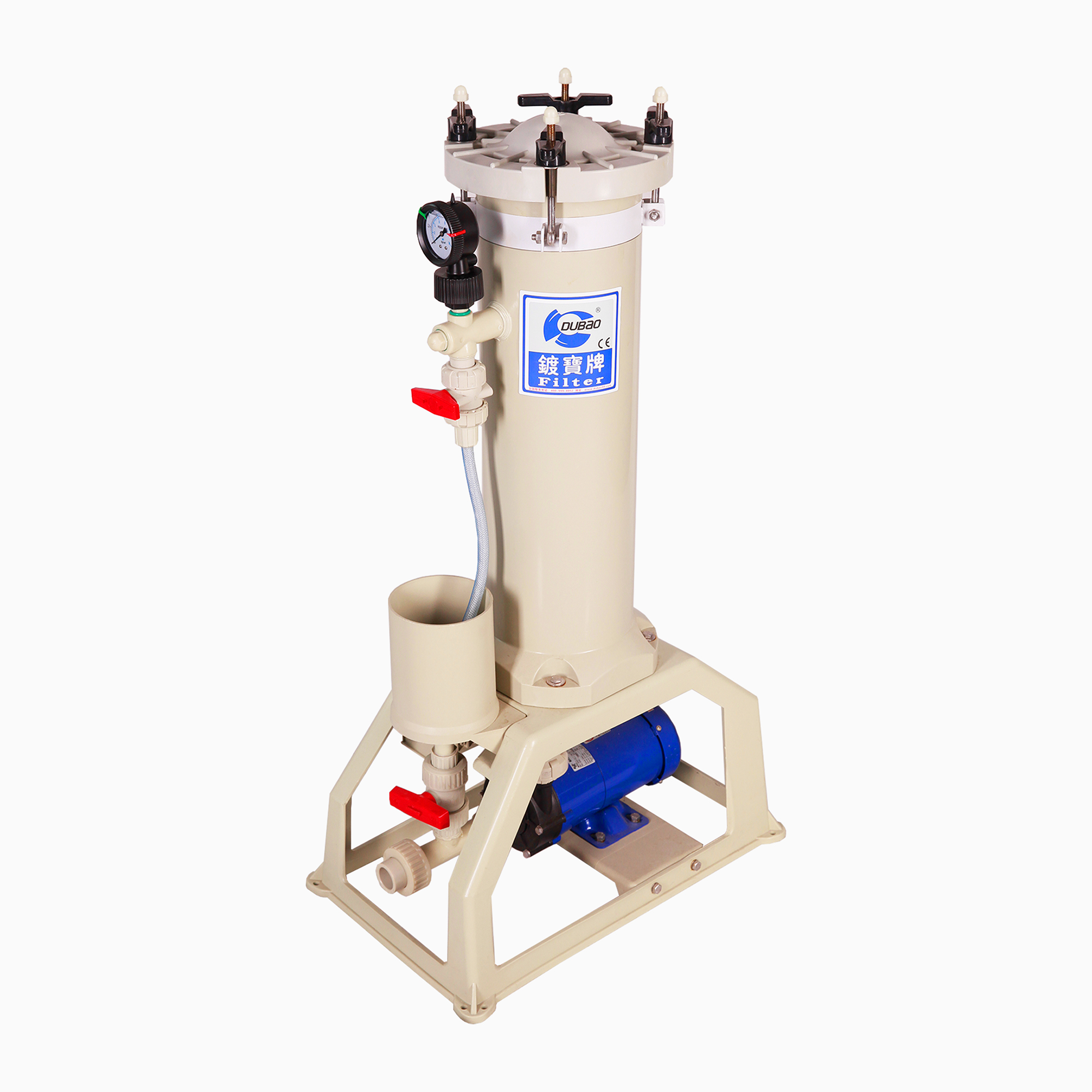
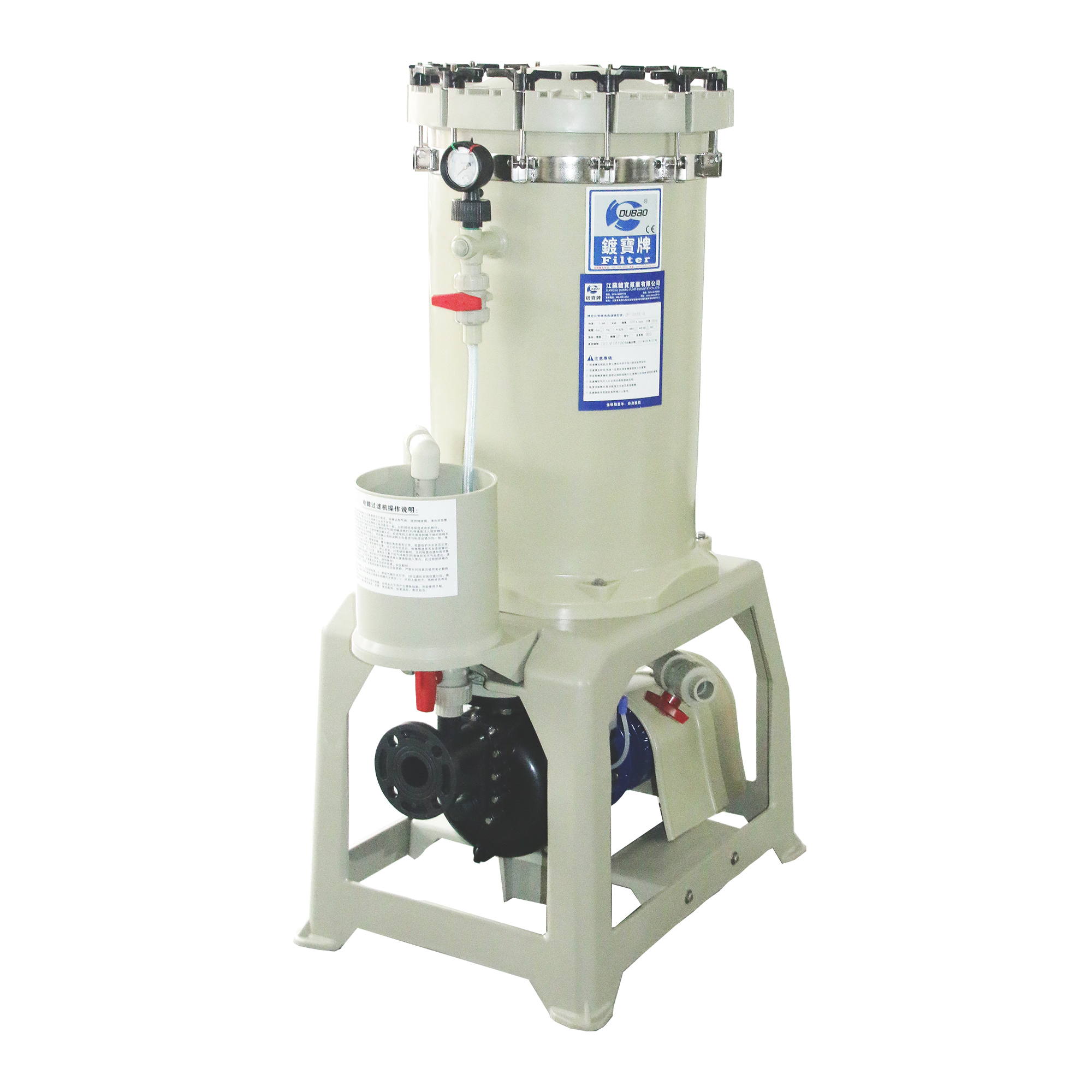
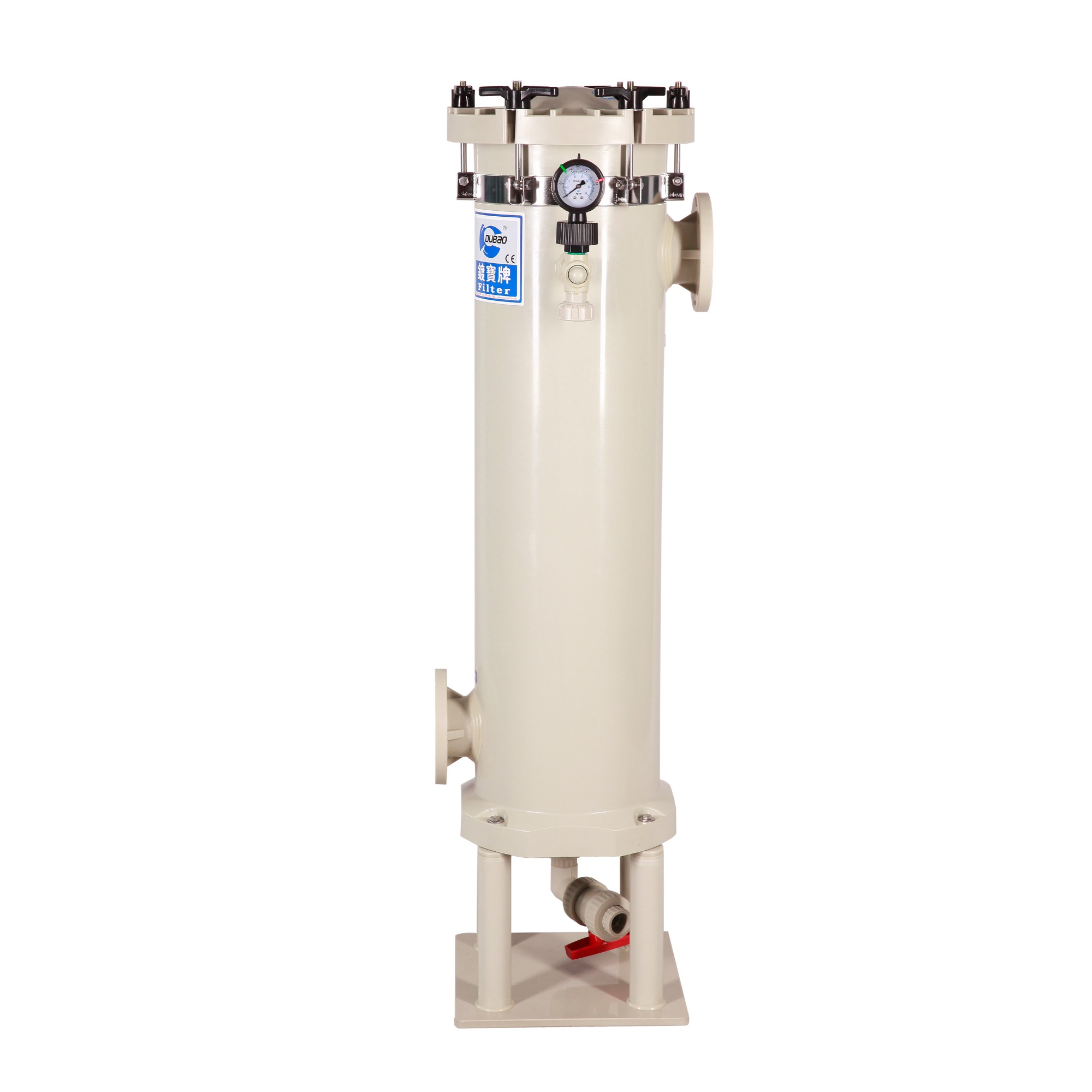
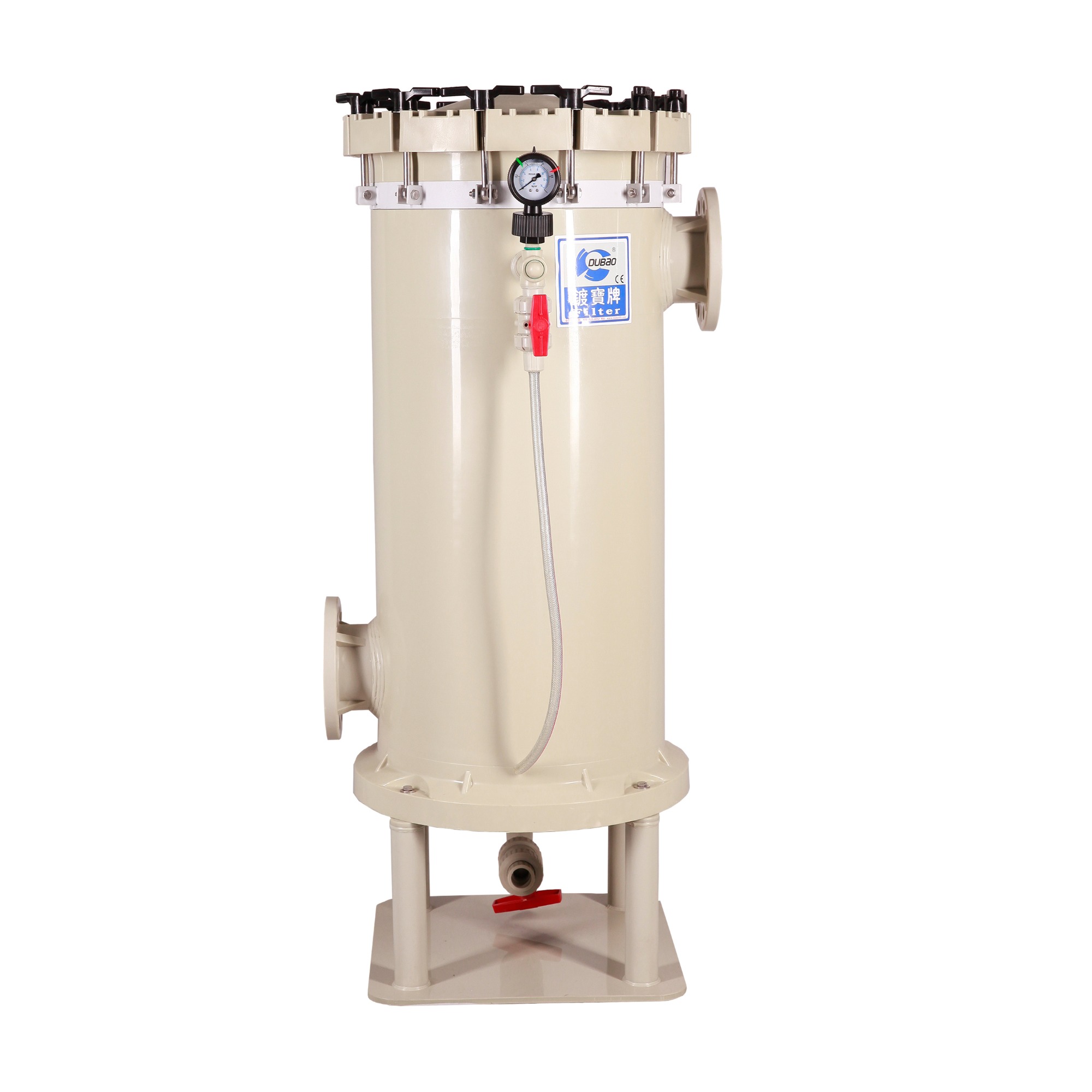
If you are looking for high-quality chemical pumps, why not let DUBAO's experts help you? Leave a message immediately, and get professional chemical pump solutions.

Related News
Read More >>
A Complete Guide to Chemical Pump Selection: Industrial Applications, Core Criteria and Marine-Specific Solutions A Complete Guide to Chemical Pump Selection: Industrial Applications, Core Criteria and Marine-Specific Solutions
Aug .12.2026
This guide outlines professional chemical pump selection criteria covering material compatibility, sealing design, safety compliance, and parameter matching. It introduces applicable pump types, strict marine pump requirements, and reliable customized solutions for diverse industrial corrosive fluid handling scenarios.
Plastic Pumps: Key Advantages, Material Progress and Industrial Applications Plastic Pumps: Key Advantages, Material Progress and Industrial Applications
Aug .04.2026
Industrial Development of Plastic Pump Technology,Core Advantages of Modern Industrial Plastic Pumps,Advanced Upgrades in Modern Plastic Material Performance
A Complete Guide to Magnetic Drive Pumps A Complete Guide to Magnetic Drive Pumps
Jul .31.2026
A magnetic drive pump (commonly shortened to mag drive pump) is a high-reliability seal-less centrifugal pump that utilizes magnetic coupling technology to transmit power from the electric motor to the internal impeller.
Overview of Magnetic Drive Pumps: Principles, Advantages, Limitations and Industrial Applications Overview of Magnetic Drive Pumps: Principles, Advantages, Limitations and Industrial Applications
Jul .17.2026
1. What Is a Magnetic Drive Pump? 2. Core Advantages of Magnetic Drive Pumps 3. Key Disadvantages and Limitations of Magnetic Drive Pumps 4. Industrial Applications of Magnetic Drive Pumps and Optimized Alternatives