The Applications of Pumps

Views : 1616
Author : Arthur
Update time : 2022-03-10 14:19:06

The Applications of the Pumps

The application of the pump has a wide range. If it is distinguished by size, the large industrial pump can transmit tens of thousands of cubic meters of liquid per hour, while the smallest pump can control the flow rate to 1% ml per minute.

 Many types of liquids are transported by pumps, including water (pure water, tepid water), medicinal liquids, acidic liquids, alkaline liquids, etc.

 In the oil and gas industry, there are often high-viscosity, high-risk flammable liquid transfer requirements, so positive displacement pumps play a role in transporting liquids and providing pressure flow for chemical reactions in these processes, such as gear pump, lobe pump, piston Pump, etc., in addition, pumping systems are used in many installations to adjust the temperature.

The Application of the Pump

 In agricultural irrigation, irrigation pumps are the central irrigation and drainage machinery. Every year, a large number of pumps are needed in the countryside. Generally speaking, agricultural single-stage water pumps account for more than half of the total pump output.

 Nuclear power plants need primary, secondary, and tertiary pumps in the power sector, and geothermal power plants need a lot of feed water centrifugal pumps, condensate pumps, circulation pumps, etc.

The Application of the Pump

 In the military field, the adjustment of flight equipment components, the shooting direction of armored vehicles, and air conditioning equipment all need to use pumps to achieve their goals, such as dynamic pumps. Some also require a high-pressure pump without any leakage.

 Due to the massive demand for the flow rate of liquid transmission in the shipbuilding industry, up to hundreds of various pumps are often used on each ship, such as feed pumps, drainage pumps, fire pumps, etc.​​

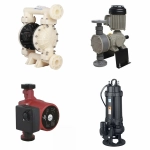
 Others, such as urban water supply and drainage, will use booster pumps; water treatment plants will use sewage pumps, dyes in the textile industry, pulp in the paper industry, and various weakly acidic and alkaline types liquids food industry. This plays a crucial role, among which suction pumps and peristaltic pumps are the more common pumps.​​

The Application of the Pump

 In short, whether it is cars, boats, aircraft, manufacturing, or ordinary life, pumps are everywhere. Therefore, pumps can be the most common type of mechanical product in the machinery industry.

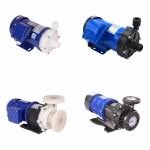
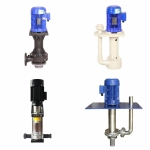
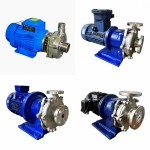
Our products include acid and alkali resistant pumps, vertical pumps, horizontal pumps, magnetic pumps, and self-priming pumps. Mainly used in electroplating, PCB, LED, continuous electroplating, chemical, medical, environmental protection and coating, and other fields.

Related News
Read More >>
How to pump Glycol: Glycol Types How to pump Glycol: Glycol Types
Oct .29.2026
Important Considerations When Pumping Glycol,When pumping glycols, several important factors must be considered to ensure efficient and safe operation. These include:
Grease Overview: How to Pump Grease Grease Overview: How to Pump Grease
Oct .29.2026
Pump Options for Grease Transfer Applications,What to Consider When Selecting a Pump for Grease Transfer
Fuel Overview: Pumping Fuel Fuel Overview: Pumping Fuel
Oct .24.2026
Fuel Overview: Pumping Fuel,Fuel pumps generally refer to pumps used for liquids primarily employed in transportation, including petrol, diesel, heavy fuel oil, LPG, and kerosene
Glue Types: How to Pump Glue Glue Types: How to Pump Glue
Oct .23.2026
Glue Types: How to Pump Glue,Pumping glue can be challenging because many adhesives tend to harden and solidify when exposed to air.