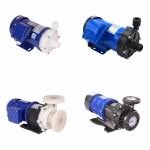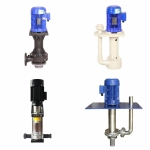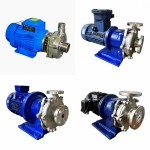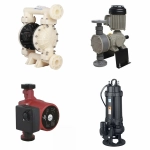
Self-priming pump is a kind of pump commonly used in electroplating and chemical industry.
Before the self-priming pump is started, the pump body is filled with a proper amount of liquid, the return valve is opened, and the press-in chamber is connected to the suction chamber.
After the impeller rotates, the liquid in the suction chamber and the impeller is transported to the press-out chamber through the impeller, at the impeller inlet Negative pressure is formed. The pressure in the suction pipeline is higher than the pressure in the suction chamber, so that the suction valve is opened.
The gas in the suction pipeline enters the impeller through suction, and the liquid in the pressure out chamber passes through the return valve hole and the suction chamber, and is again Suction to the impeller inlet for gas-liquid mixing, the impeller transports the gas-liquid mixture into the press-in chamber. Because the volume of the gas-liquid separation chamber is large enough, the flow rate is reduced, and the gas and liquid are separated by the difference in the specific gravity of the liquid and the gas.
The liquid is discharged through the pressure-out pipeline, and the liquid is sucked into the impeller through the return valve hole and mixed with the gas. It circulates in turn until the gas in the suction pipeline is drained.
At this time, the self-priming pump completes the self-priming process. Achieve normal work. The above is the working principle of self-priming pumps. If you have any questions, please leave a message or contact us. Dubao Pump Industry will help you at any time.
Important Considerations When Pumping Glycol,When pumping glycols, several important factors must be considered to ensure efficient and safe operation. These include:
Fuel Overview: Pumping Fuel,Fuel pumps generally refer to pumps used for liquids primarily employed in transportation, including petrol, diesel, heavy fuel oil, LPG, and kerosene