How to clean and maintain plastic filters to extend their lifespan:

Views : 1257
Update time : 2023-03-22 23:07:01

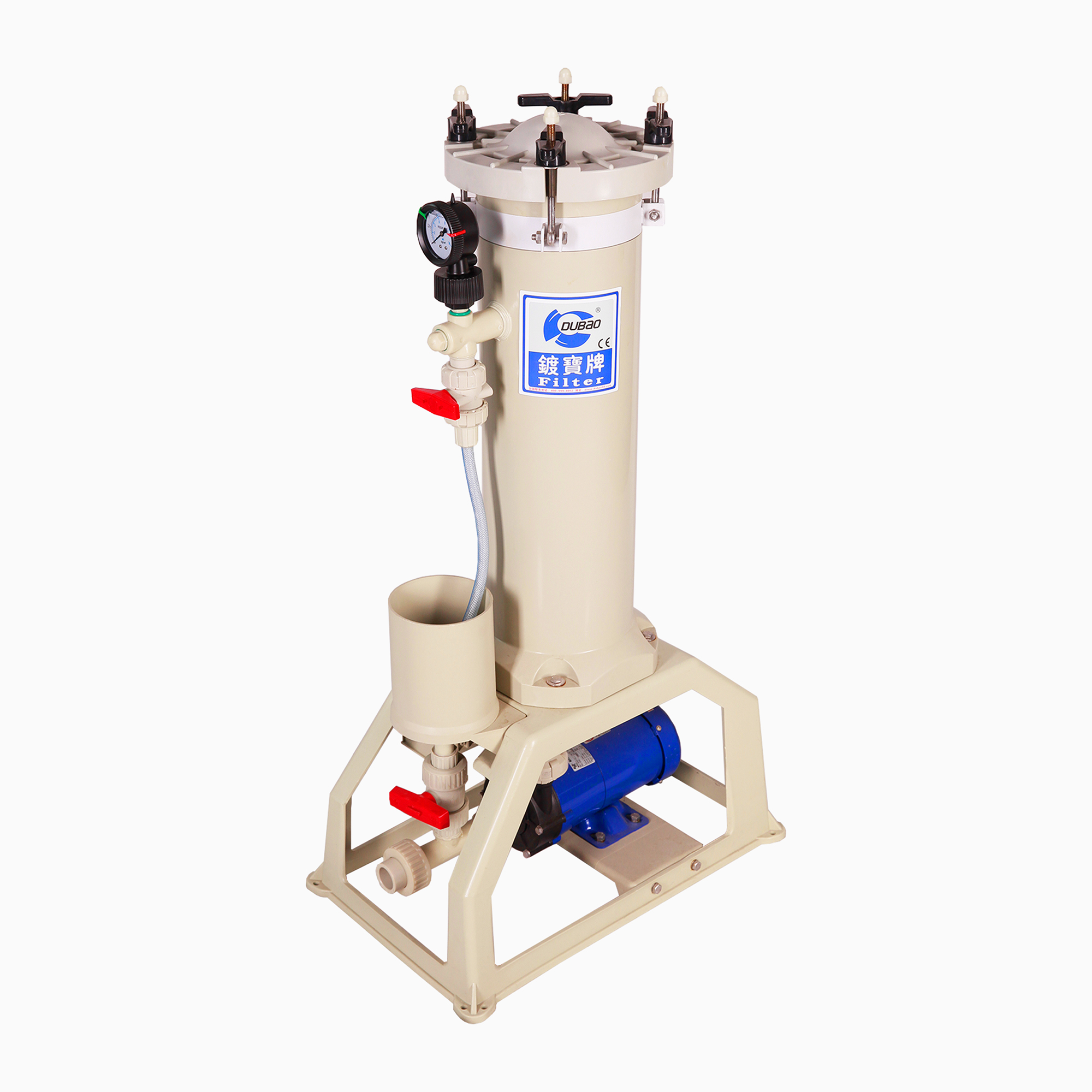
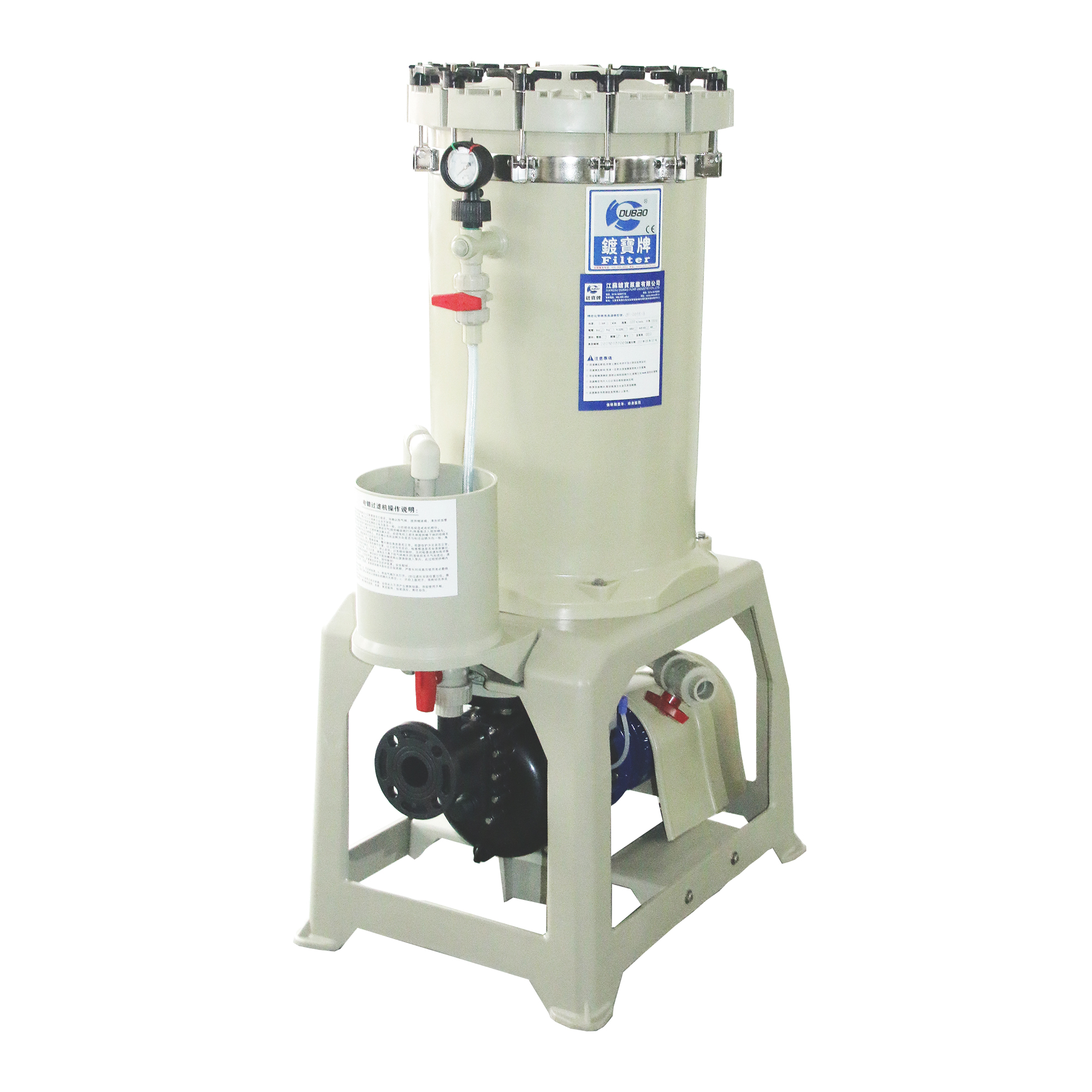
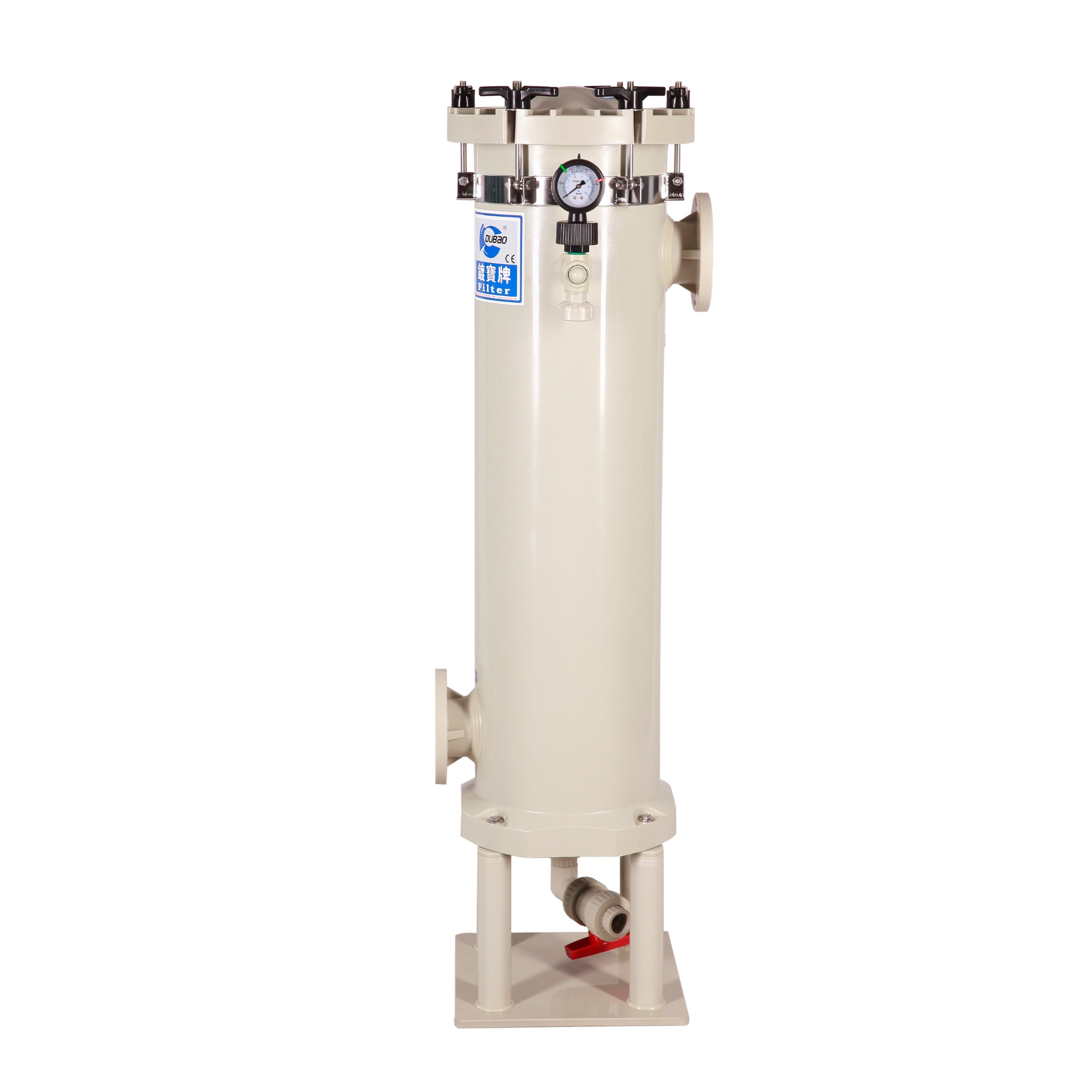
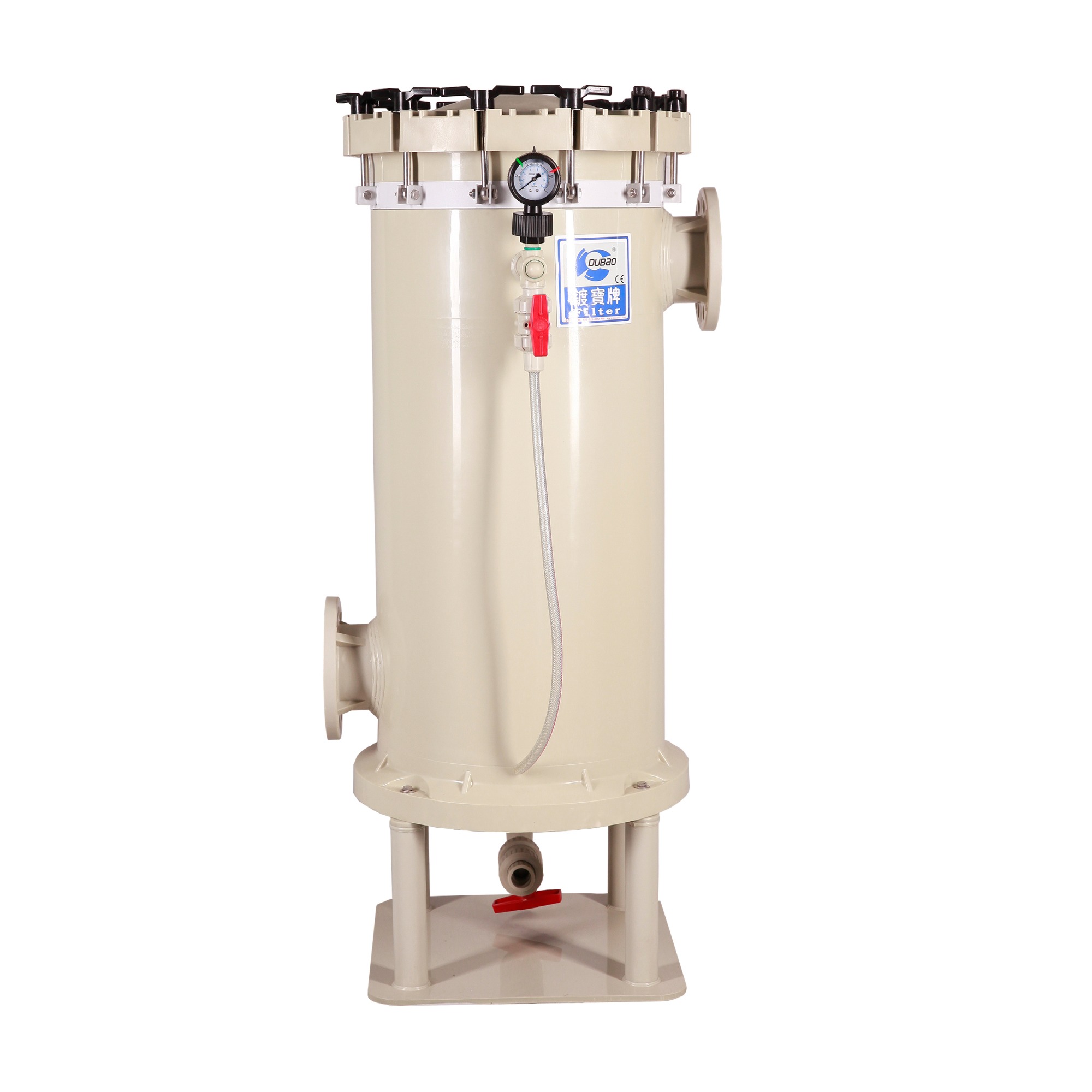
  Plastic filters are a common type of filtering equipment that requires regular cleaning and maintenance to ensure their proper functioning and prolong their lifespan. The following are some suggestions for cleaning and maintaining plastic filters:

  Regular cleaning: Clean the filter every month or according to frequency of use. First, turn off the filter and water source, then remove the filter and clean the filter mesh with a soft brush or tap water. You can use warm water or soap water to clean, but avoid using cleaning agents that contain acid, alkali, or solvents, as they may damage the filter.

  Thorough cleaning: Every quarter or every six months, perform a more thorough cleaning of the filter to remove more difficult dirt and impurities. Chemical cleaning agents and solvents can be used, but you should first refer to the manufacturer's recommendations and follow the instructions and safety guidelines.

  Replace the filter: The filter should be replaced regularly to ensure its performance and effectiveness. The manufacturer usually recommends a time schedule for replacing the filter, but it is generally replaced every 3 to 6 months.

  Check the seal: Ensure that the filter is well-sealed to avoid leakage or seepage. You can regularly check whether the sealing ring or O-ring is damaged or aged and replace it if necessary.

  Avoid heavy pressure or impact: Avoid placing heavy objects or other hard objects above or near the filter to avoid exerting pressure or impact on it, which may cause damage or breakage.

  Through regular cleaning and maintenance, the lifespan of plastic filters can be prolonged and their proper functioning can be ensured. If you have any questions about how to clean and maintain your specific filter, please refer to the manufacturer's instructions and recommendations or consult professional advice.

Related News
Read More >>
How to pump Glycol: Glycol Types How to pump Glycol: Glycol Types
Oct .29.2026
Important Considerations When Pumping Glycol,When pumping glycols, several important factors must be considered to ensure efficient and safe operation. These include:
Grease Overview: How to Pump Grease Grease Overview: How to Pump Grease
Oct .29.2026
Pump Options for Grease Transfer Applications,What to Consider When Selecting a Pump for Grease Transfer
Fuel Overview: Pumping Fuel Fuel Overview: Pumping Fuel
Oct .24.2026
Fuel Overview: Pumping Fuel,Fuel pumps generally refer to pumps used for liquids primarily employed in transportation, including petrol, diesel, heavy fuel oil, LPG, and kerosene
Glue Types: How to Pump Glue Glue Types: How to Pump Glue
Oct .23.2026
Glue Types: How to Pump Glue,Pumping glue can be challenging because many adhesives tend to harden and solidify when exposed to air.