Selection of PVDF Magnetic Pump Impeller

(Magnetic Pump Impeller)
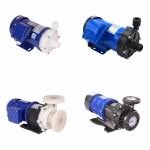
PVDF magnetic pump is a new type of high corrosion-resistant chemical process pump widely used in many industries.
Because of its excellent corrosion resistance, it solves the problems that plague many industries. Today we mainly analyze the significance and function of the impeller of the PVDF magnetic centrifugal pump to the pump body.
As we all know, the size and speed of the impeller are critical factors in determining the flow rate. The diameter of the impeller depends on the size of the inlet and outlet of the pump body. That is to say, the inlet and outlet of the pump body are designed to be 65mm and 50mm. Then according to the corresponding ratio, the impeller diameter should be 165mm. If the impeller diameter is too small or too large, it will significantly impact the flow rate. Either the flow rate is reduced, or the conveying speed is too low. Either the flow rate is too fast, the temperature of the conveying medium is too high, and the pump body is damaged.
PVDF magnetic pumps usually use closed impellers or open impellers, so it is difficult to damage, but if they work in an unstable working state for a long time, such as conveying viscous fluids, it will easily cause irreversible damage to the impeller. Usually, You cannot repair the deterioration of the impeller of the PVDF magnetic centrifugal pump, and You can only replace out.
Thanks to the design of the modern pump body, the pump is much easier to disassemble than the traditional old model process pump, especially when replacing the core components, such as the impeller. Before replacing the impeller, You should note that the residual medium in the pump must be drained. Otherwise, the residual medium will leak out when the pump body is disassembled, which will quickly cause damage to other parts of the pump body. If the pump body is damaged and scrapped, it will not be worth the loss.
For more product information, please click our chemical pump product center pdf magnetic pump is a new type of high corrosion-resistant chemical process pump that is widely used in many industries.
Because of its excellent corrosion resistance, it solves the problems that plague many industries. Today we mainly analyze the significance and function of the impeller of the pump to the pump body.
As we all know, the size and speed of the impeller are critical factors in determining the flow rate. The diameter of the impeller depends on the size of the inlet and outlet of the pump body. That is to say, the inlet and outlet of the pump body are designed to be 65mm and 50mm. Then according to the corresponding ratio, the impeller diameter should be 165mm. If the impeller diameter is too small or too large, it will significantly impact the flow rate. Either the flow rate is reduced, or the conveying speed is too low. Either the flow rate is too fast, the temperature of the conveying medium is too high, and the pump body is damaged.
PVDF magnetic pumps usually use closed impellers or open impellers, so it is difficult to damage, but if they work in an unstable working state for a long time, such as conveying viscous fluids, it will easily cause irreversible damage to the impeller. Usually, You cannot repair the deterioration of the impeller of the PVDF magnetic centrifugal pump, and You can only replace it.
Thanks to the design of the modern pump body, the pump is much easier to disassemble than the traditional old model process pump, especially when replacing the core components, such as the impeller. Before replacing the impeller, You should note that the residual medium in the pump must be drained. Otherwise, the residual medium will leak out when the pump body is disassembled, which will quickly cause damage to other parts of the pump body. If the pump body is damaged and scrapped, it will not be worth the loss.
The above is the explanation of impeller selection for PVDF magnetic pump.For more product information, please click our chemical pump product center.